Everyone has heard of it. The success of the home garden depends on the moon. Check the lunar calendar on the fridge. You discuss this in the forum. If you don’t check the lunar calendar first, you refuse to plant the plant. But what happens if you really ignore the rules? What if you plant on a waning moon without taking any other precautions?
The results were amazing. They might shake your faith in gardening.
The Myth of the Waning Moon: A Gardener’s Belief
In almost all gardening guides, the waning moon is considered sacred. It’s sowing, planting and maintenance time. The theory is simple. The energy of the moon at this stage is useful for the restoration of the roots. It guarantees stronger plants. A bountiful harvest is guaranteed.
Gardeners prepare a calendar every year. They don’t want to leave anything to chance. This applies especially to autumn and early winter plantings. November 2025 is an example.
These rules are often passed down from generation to generation. These are part of the tradition of French potager. It is said that observing this date reduces disease. Means vegetables with a more delicate taste. It means lush orchard. Some claim that the secret to a good harvest is to be in good harmony with the moon.
But the line between experience, habit and reality is thin.
Setting Up the Test
Comparison is the only way to understand. We did the actual test in our own backyard. The conditions are the same. It’s the same soil. same plant varieties. The same watering program. The only variable is time.
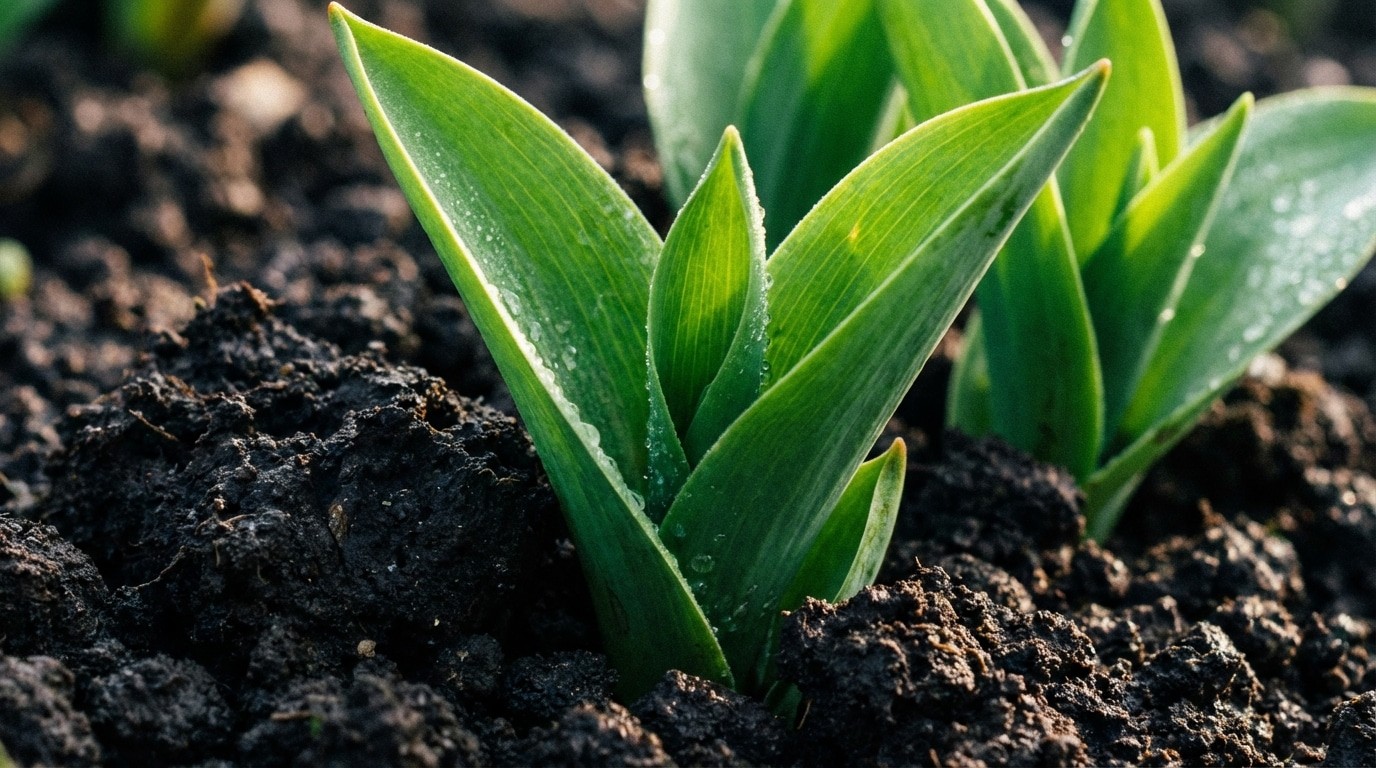
One group is planted according to the lunar calendar. The second one was planted according to the normal schedule, completely ignoring the moon. I chose late season winter vegetables. winter lettuce. cabbage. A head of lettuce.
I watched each plant closely for weeks. Post-transplant recovery rates were monitored. I noticed the brightness of the leaves. I observed resistance to the cold. Look for signs of illness.
The goal is clear. Find out if the waning moon offers real benefits on the ground. Or if both methods give the same result.
Result: No magic, just weather
The first observations were made at the end of November when the cold weather arrived.
There were no significant differences in plant recovery. Whether grown under the gaze of the waning moon or outside the calendar, vegetables react in much the same way. The lettuce rooted itself. Cabbage tolerates the cold without flinching.
The rhythm of the winter garden is determined by the seasons. It’s not the moon.
No plant shows extraordinary vigor under the lunar phase influence of the moon. Nothing showed any obvious weaknesses. No more sickness. Growth has not slowed down. Growing conditions have an effect. Soil quality. compost. Reasonable watering. These factors are more important than the lunar calendar.
This discovery may shake the deeply held beliefs of many passionate gardeners.
Why do people still believe?
Why do so many gardeners still believe this? Even in the face of facts?
Habits have weight. The lunar calendar has determined planting times for decades. It inspires confidence. It reassures. It connects today’s gardeners with ancient knowledge. The power of this habit, combined with memories of past successes, explains why it is so ingrained in our habits.
Planting during the waning moon is like putting on an old lucky jacket for the garden. This does not guarantee success. But it feels good mentally. Being guided by the Moon gives you a sense of accomplishment. Full of expectations.
Many people continue this ritual without concrete evidence. For pleasure. Because of tradition. Or maybe because that’s part of the appeal of gardening.
Is the moon really important? Probably not. But rituals are important.
Let’s stop following the moon cycle and start fixing your soil
Data has been received. We compared data from plants grown during a waning moon with plants grown on random days. The results? Nothing. There was no measurable difference in germination rate, growth rate or yield. If you’re looking for scientific proof that the moon determines the tomato harvest, you won’t find it here.
So what does this mean for your garden?
It means less stress. If the almanac brings you joy, of course you can stick to it. There is no shame in checking the phases of the moon occasionally for a little fun. But if you’re an efficiency-seeking realist, this experiment offers a liberating truth: the calendar doesn’t matter.
The real power of vegetable garden success lies in the health of the soil and consistent care. Not in the position of celestial bodies.
Practical steps to create a stress-free garden
There is no need to buy a lunar planner. You should pay attention to the dirt under the nails. This way you can improve your yield yourself based on what works for you.
- **Prioritize soil structure. ** Amend your beds with compost. Add organic matter. It sounds cliche, but healthy soil retains nutrients and moisture better than any other phase of the moon.
–Mulch heavily. Straw, wood chips or shredded leaves. Mulch retains moisture, suppresses weeds and provides nutrients to the soil as it decomposes. This is the easiest upgrade for most home gardeners.
– Watch the drainage. Damp roots kill a plant faster than lack of lunar energy. Allow water to flow freely across the bed, especially in heavy clay soil.
-
**Adjust your watering schedule. ** Plant growth slows down during autumn and winter. Overwatering is a big risk. Check the soil with your finger before reaching for the hose. If it’s wet, wait.
-
Plant when the weather is mild. Avoid sowing or planting during heat waves or extreme cold. Scheduling jobs based on the weather has a much greater impact than scheduling jobs based on the sky.
-** Experiment. ** Try beds using strict lunar timing and beds using standard methods. Compare them. You might find something unique that suits your microclimate. Or maybe you’re like us and realize that nothing has changed.
Verdict
Gardening should be fun. If looking at the moon makes you look forward to planting day, do it. But don’t let it stress you out or delay the work you need.
The secret to a lush garden isn’t hidden in the stars. It is in the daily attention you pay to your plants. Water them consistently. Feed the soil. Remove pests. Watch them grow.
This is how you get the results. There is no need to wait for the right night on the calendar.