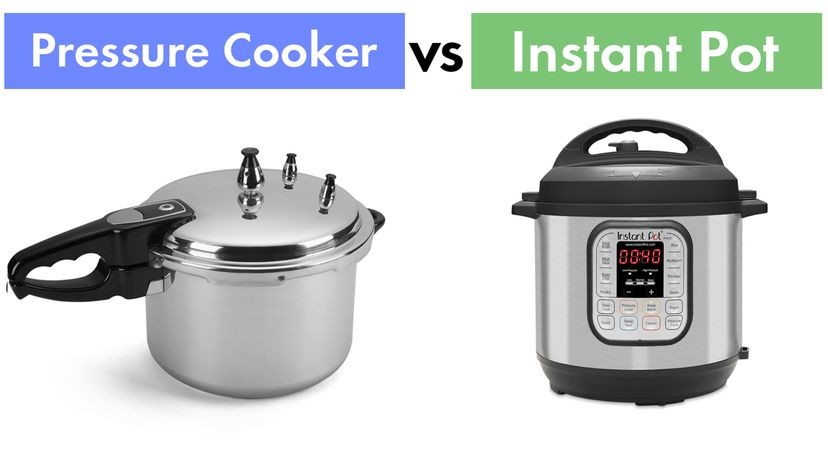
Kitchen trends don’t just arrive; they explode. Gadgets can be obscure one moment and take over the nation the next. Today we’re introducing the Instant Pot, an electric pressure cooker that has become one of the best-selling small appliances in the world. It bridges the gap between amateur home cooks and professional chefs. But who made this and why is it different from the metal pots used by our grandparents?
To understand modern cuisine, you need to understand its history. Let’s take a closer look at the inventors and mechanisms of these two different technologies.
The origin of the electric pressure cooker
The Instant Pot story begins with a setback. Robert J. Wang is a doctor and entrepreneur who was forced out of the startup he co-founded. Instead of walking away, he teamed up with two tech-savvy friends in 2008, he teamed up with two tech-savvy friends. Their goal was simple: simplify the pressure cooking process.
Wang invested more than $300,000 of his own capital into the project. The team spent 18 months to finalize the design. They wanted an appliance that offered the same set-it-and-forget-it convenience as a slow cooker at pressure-cooker speed. The result was the first generation Instant Pot, which was released on Amazon in October 2010.
The response was immediate. By 2018, the company’s turnover exceeded 400 million dollars. The device has inspired hundreds of cookbooks and built a huge community on Facebook. But this modern electrical device did not suddenly appear out of nowhere. To understand how it differs from the standard model, we have to go back about 400 years.
The invention of the pressure cooker
The original idea was Denis Papin, a French-born British physicist. Papin is credited with two major inventions: the first cylinder-piston steam engine and the pressure cooker.
His design was straightforward. He made an airtight container with a tight lid. This structure confines the steam until a high pressure is created, which significantly increases the boiling point of water. Importantly, Papin also invented a safety valve to stop leaks and prevent an explosion. These are important properties for devices that can withstand high pressures and temperatures.
Business and home versions were slowly developed. An early version of the commercial pressure cooker was introduced at the 1939 New York World’s Fair. The first device designed for home use only appeared six years later, in 1945.
The mechanics remain largely the same today. These devices work by trapping very hot water and steam in an enclosed space. This maintains the internal temperature of the vessel and shortens the cooking time for foods that usually take hours to prepare.
Which One Should You Use?
The difference is control and convenience. Traditional pressure cookers use stovetop heat and manual valve adjustment. The pressure must be carefully monitored. The Instant Pot, on the other hand, is electric. Control pressure and temperature automatically with digital sensors.
For many homeowners, this automation is key. You don’t have to stand next to the stove. You set the program, and the device handles the rest. For this reason, it has achieved cult status in North America. It removes the guesswork from pressure cooking.
However, traditional models are still used. They are often preferred by people who want direct heat control or who want to cook with induction burners that don’t work well with electrical appliances. They are also generally less
Instant Pot vs. traditional pressure cooker
The brand is not the only difference between traditional a classic pressure cooker and an Instant Pot. It’s ease of use, technology and control. There are risks in old models. An explosion isn’t just a possibility, it was a real fear. This is really scary. result? Mess. Injury. Chaos.
The Instant Pot changed that. It uses advanced safety mechanisms. You don’t have to babysit it with the same paranoia. Currently, there are four generations of such devices on the market. Each adds digital control. You can tweak breakfast, lunch, or dinner down to the minute.
“I used to have a rice cooker and a pressure cooker, but now I use the Instant Pot for everything.” – Wesley S., Kitchen Manager, Rosemary, Nashville
So what can you actually do? Almost anything. The marketing promised ribs, soup, beans, rice, chicken, yogurt and dessert. It claims to cook up to 6 times faster than traditional methods. This is not just hype. This is physics. Applying pressure raises the boiling point of water. Food cooks faster.
Why the Switch Matters
Both devices are still used in kitchens around the world. But the Instant Pot offers unparalleled control. Newer models can also connect to Alexa and Wi-Fi. You can start cooking with your smartphone. You don’t have to stand next to the stove.
Read the user manual. Seriously. Just do it. Once you do, making stews and yogurt will be much easier. Prepare the pulled pork. Add the meat. Add spices. Press the button. Wait 40 minutes. Done.
Compare with a slow cooker. This takes 4-8 hours. Understand why people change.
Chef Wesley S. puts it plainly. He kept his kitchen counter clear. No clutter. One device can perform the functions of several devices. He uses automatic equipment to prepare other foods and the pot works automatically. This is a tool you can use to buy time.
Is the Instant Pot a pressure cooker?
This is where people get confused. are they the same thing? Technically, the Instant Pot is a multi-purpose cooker. It can also be used for slow cooking. Rice. Steaming. Warming. Sautéing.
But yes, it’s also a pressure cooker. All Instant Pots use pressure cooking as their core feature. Just wrap it in a digital interface.
Traditional pressure cookers are difficult to handle. They require you to watch the valve. You have to adjust the heat manually. If you make a wrong move, you lose steam. Even worse, the seal fails. The Instant Pot takes care of that. For this reason, many new owners do not buy a traditional pressure cooker. They heard the story. They saw fear.
Can I prepare frozen meat?
Yes. You can cook frozen meat in the Instant Pot. In fact, this is one of its distinguishing features. The pressure cooker quickly heats frozen food to safe temperatures. It doesn’t sacrifice flavor. There is no need to thaw chicken or beef overnight. Just throw it in and set the timer. Let the pressure do the heavy lifting.
Which one should I buy?
It depends on your preferences. But for most home cooks, the Instant Pot is better. It’s safer. Easier. It’s smarter.
If you want an appliance that can handle yogurt, rice, and stew without using three different appliances, consider the Instant Pot. If you’re a purist who trusts your hands over a screen, stick with traditional model. However, don’t expect the same ease of use.
Frequently asked questions
What is an Instant Pot and how does it work?
It’s a multi-cooker. Replaces pressure cooker, slow cooker, rice cooker and yogurt maker. Comes with a stainless steel inner container. You select the function. The device adjusts the heat and pressure automatically.
What is the main difference between an Instant Pot and a pressure cooker?
Safety and control. Traditional pressure cookers have a higher risk of accidents. They lack automated safety features. The Instant Pot uses digital controls to manage pressure and temperature. It is more user friendly.
Are all Instant Pots pressure cookers?
Yes. Although they are sold as multicookers, they all use pressure cooking technology. Just add extra features on top.
Which is better, Instant Pot or pressure cooker?
Most people like the Instant Pot. Perfect for busy families. It delivers homemade meals that do not require long active supervision. Traditional pressure cookers are still convenient, but demand more attention and skill.