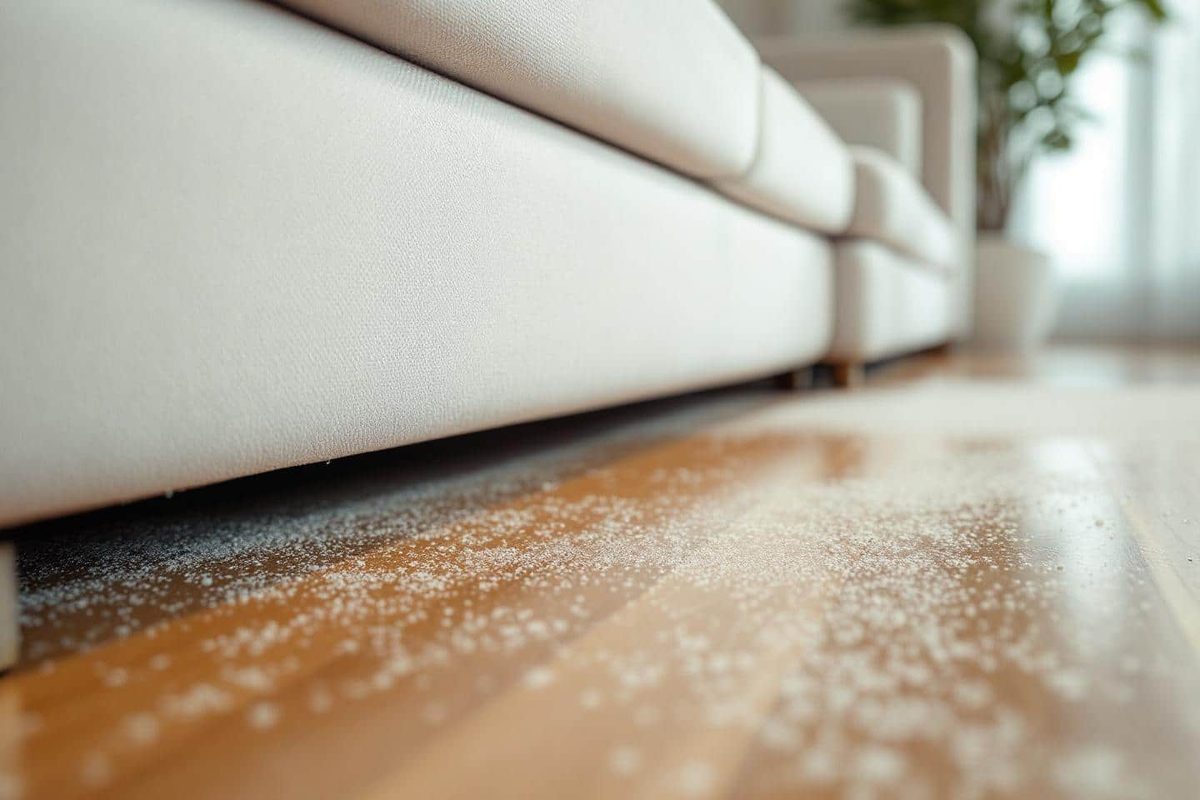
You know the drill. You vacuum the living room. You wipe the counters. And yet, the house still feels… dusty. It’s not just on the surfaces. It’s hiding. Sliding under the sofa cushions. Settling thick and gray along the baseboards. It’s in the corners of the ceiling fan blades. You might have the newest, most expensive vacuum on the market. You might be wielding a feather duster with military precision. And it still doesn’t matter. Some areas are immune to standard cleaning methods. They remain stubborn. They accumulate grime while you’re busy looking at the clean parts of the room.
It’s exhausting. It’s time-consuming. It’s also unnecessary.
There is a specific habit shift that changes the entire dynamic of deep cleaning. It requires no new gadgets. It doesn’t cost a fortune. It just requires knowing where the dust actually hides and how to grab it without moving three hundred pounds of furniture. This isn’t about scrubbing harder. It’s about targeting the reservoirs of allergens and grime. Specifically, the spaces beneath low-profile furniture and along the floor’s edge.
Let’s talk about the ground truth of your living space.
The Under-Furniture Problem: Why Vacuums Fail You
Most people stop cleaning at the edge of the rug. They stop at the line where the floor meets the bed frame. This creates a blind spot. A sanctuary for dust bunnies. These aren’t just aesthetic issues. They are health issues. Dust mites thrive in these dark, undisturbed pockets. If you have allergies, this is where your reaction starts.
Standard vacuums have wide heads. They need clearance. If your sofa or bed is only two inches off the ground, your vacuum can’t get in. You’re left with a gap. A gap filled with hair, skin cells, and pet dander.
The Microfiber Reflex: A Flat, Flexible Solution
To clean under furniture effectively, you need to bypass height restrictions. You need a tool that is flat. Flexible. Thin enough to slide into a two-inch gap, but wide enough to catch debris.
The best tool for this specific job is not a vacuum attachment. It’s a microfiber mop or a specialized dusting wand with a telescopic handle. But here is the trick. Do not use it dry. Dry dusting can sometimes just push dust around or make it airborne again.
Instead, use a microfiber pad that is slightly damp. Or, use a dry microfiber pad that is designed to static-cling. Microfiber works by trapping particles in its split fibers. It doesn’t just push them; it holds them.
Here is the exact method:
- Select a flat microfiber mop. Look for one with a slim profile. The head should be no thicker than half an inch.
- Attach a microfiber pad. Ensure it is clean. A dirty pad just smears grime.
- Slide it under. Don’t lift. Don’t drag. Slide. The weight of the mop head is enough. If the gap is incredibly tight, you can lie on the floor and use a hand-held microfiber duster.
- Wipe in one direction. Don’t saw back and
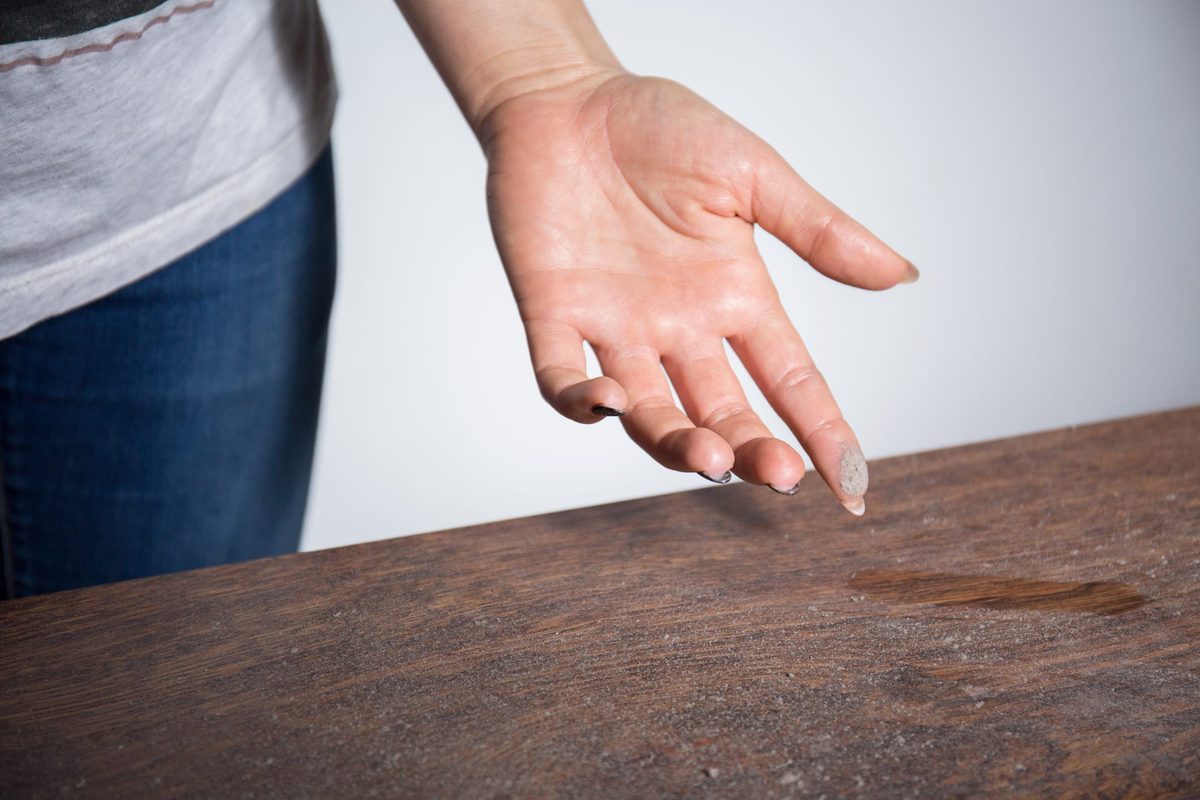

Most people ignore baseboards. They look fine from a distance. Up close, they are gray. Dust settles on them instantly. A dry cloth or broom just spreads it around. It is frustrating. There is a better way.
Use an antistatic wipe. Or take a soft cloth and add a few drops of vegetable glycerin. This works on several levels. It removes the dirt. It leaves a light protective film. The surface becomes smoother. Dust finds it harder to stick. You can go weeks between cleanings. The baseboard looks bright. The room feels maintained. You save time. You skip the scrubbing.
Targeting specific surfaces to reduce static buildup
Some spots are worse than others. Venetian blinds. Fabric lampshades. The corners of a room. Static electricity pulls dust into these areas. Ignoring them ruins the whole cleaning effort. You need the right tool for each zone. This stops dust from flying into the air. It speeds up the process.
Try these specific methods. For blinds, slide an antistatic sock over your hand. Run it along the slats. For fabric lampshades, use a sticky lint roller. It grabs the dust without tearing the fabric. For picture frames, outlets, and display shelves, use a mini electrostatic duster. These small actions matter. The time saved is immediate. Dust accumulation is minimized. Those tricky corners finally look clean.
Habits to keep dust away long-term
A big clean is not enough. You need daily habits. This makes the air healthier. It keeps things looking good. Adopt these routines to save time later.
- Use a flat microfiber broom or attach a wet sock to a handle. Clean under beds and sofas. Move furniture less.
- Wipe baseboards with glycerin. This pushes dust away. It reduces how often you clean them.
- Dust blinds and shades with sticky rollers or antistatic wipes. Match the tool to the material.
- Open windows regularly. This stops fine dust from stagnating. It brings in fresh air.
These steps change how you spend your week. They are simple. They are effective. Do them once a week. Dust and allergens stay away. Your quality of life improves.
You do not need expensive gadgets. A old sock. An antistatic wipe. A versatile broom. These things turn chores into quick routines. The freshness lasts longer. Cleaning becomes manageable. The real luxury is a home that stays clean with minimal effort. It is not magic. It is just knowing which tool to use where. And once you start, you might wonder why you ever swept dry.