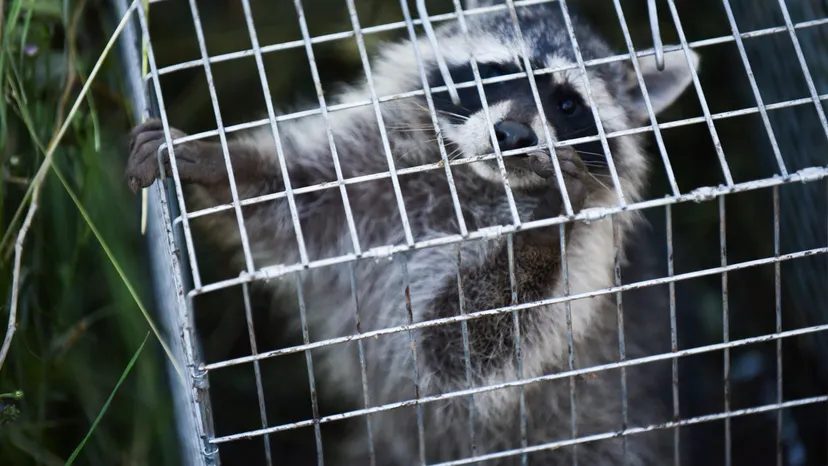
Raccoons look adorable in pictures. They look like furry bandits ready for a heist. In reality, they are destructive neighbors and terrible houseguests. If they are tipping your bins or bothering your dog, you need them gone. You can learn how to trap a raccoon using simple tools. It requires patience. And a bit of strategy.
Understanding the Opponent
You already know they are smart. Don’t underestimate them. Raccoons thrive in almost any habitat. They solve problems. They remember solutions for up to three years. Native to North America, these nocturnal omnivores eat everything.
Their front paws are highly dexterous. They use them to open containers. They turn doorknobs. They wash food. They even untie knots. In the wild, they live up to five years. Females give birth in spring. You are dealing with an opponent that is clever and persistent.
Legal Considerations Before You Start
Just because they are annoying doesn’t mean you can do whatever you want. Local wildlife and trapping laws vary substantially. In many areas, trapping a raccoon without a permit is illegal. Others have strict humane regulations.
Relocation is also regulated. Some jurisdictions ban it to prevent disease spread. Others restrict where you can release the animal to avoid ecosystem disruption. Read up on local laws first. Ignorance of the law isn’t an excuse.
Choosing the Right Trap
Effectiveness and humane treatment matter. A live cage trap is generally the best choice. It traps the animal alive. It uses bait and a trigger plate. No harm is done.
The trap must be sturdy. It must be large enough for a sizable raccoon. You don’t have to buy one. You can build a homemade live trap with household items. Here is one method.
The Picnic Table Trap
You need specific items.
– A tall, sturdy garbage can
– A picnic table or long object at least as tall as the can
– A plank of wood
– Bait (meat scraps, fish, or marshmallows)
Set it up carefully.
Place the garbage can near the end of the table. Secure it with rocks or bricks. It cannot tip over. Fill the can one-fourth to one-third full with water. Place the plank on the table. One end hangs over the can. The board stays on the table. It tilts and falls when the raccoon steps onto the overhang.
Put the bait on the overhang. Do this close to nightfall. Birds or other animals might steal it during the day. Check the trap the next morning. If you catch the raccoon, take it to a distant location. Release it. Remember, the animal may be vicious. Wear gloves.
Trap Placement Strategy
Placement is as important as the trap itself. Raccoons are clever and cautious. You need to be strategic. Use your knowledge of their behavior.
Place the trap near popular food sources. Use common travel paths. Set it close to the den if you know where it is. Always check local regulations before setting traps on your property.
Baiting the Trap
Effective bait is crucial. Raccoons have a strong sense of smell. They are attracted to many foods. The ideal bait entices them without harming them. It should also resist smaller animals like cats or birds.
Good baits include:
– Sweet foods
– Protein-rich foods
– Eggs
Baiting should be ethical. Avoid using baits that could harm other wildlife or pets if consumed.
Checking the Trap Regularly
Checking the trap regularly is the only way to ensure humane operation. Leaving an animal in a cage causes stress and pain. Many jurisdictions mandate regular checks.
Check traps at least every 24 hours. Raccoons are nocturnal. Morning checks are usually most effective.
The trapped animal may be stressed and hostile. Approach with caution. Wear protective gear. Have a plan for the animal once it is caught.
Relocating Raccoons
Relocation is complicated. It is dangerous. It involves more than moving the animal. You must comply with local laws. You need a suitable release site. Safe transportation is required. A safe release is essential.
Ask for help from local authorities. They can ensure safety. They can help with trapping, transporting, and relocating the animal. It is a serious responsibility. Treat it as such.
The work isn’t done once the trap is set. You have to follow through. If you don’t, the raccoon suffers. Or worse, it escapes and causes more damage elsewhere. The process continues long after the initial setup.
Trapping works. You got it out. But if you leave the gate open, it will just come back with friends.
This isn’t about being cruel. It’s about being smart.
You need to secure your trash bins. Tight lids. Heavy weights. Or store them in a locked garage. Pet food stays inside. Water bowls come in at night. Raccoons are smart enough to figure out loose latches. They are strong enough to rip them off.
“Removing the animal is temporary. Removing the attractant is permanent.”
Local wildlife laws matter here. Check your regulations before you set a trap. Some areas require specific trap types or release distances. Ignoring these rules can lead to fines or worse outcomes for the animal.
Why do they keep coming? Because you made it easy.
Fix the gaps. Seal entry points under decks. Block access to attics. Use sturdy materials. Hardware cloth works better than chicken wire. Raccoons have dexterous paws. They can pick simple locks. They can tear weak wood.
Safety first. Wear thick gloves. Watch your step. Raccoons carry diseases. Rabies is a real risk. If you handle a trapped raccoon, do it carefully. Contact professionals if you’re unsure.
Securing Your Property Against Wildlife
Look at your yard. What looks like dinner to a raccoon?
- Trash cans: Use bungee cords or heavy rocks.
- Compost bins: Lock them down.
- Bird feeders: Move them away from trees. Use squirrel-proof models.
- Garden crops: Install sturdy fencing. Bury it underground to prevent digging.
Raccoons play a role in the ecosystem. They control pests. They aerate soil. But not in your trash can.
If trapping is necessary, do it right. Check traps frequently. Stress kills animals. Provide water if holding for transport. Release in a suitable habitat far from residential areas.
Don’t assume the job is done when the trap is empty. The real work starts after release.
You have to change the environment. Make it unappealing. Make it inaccessible.
How many times will you trap the same one? Or will you fix the problem for good?
The choice is yours. But raccoons don’t care about your choices. They care about food and shelter.
Strip those away.
See what happens next.