



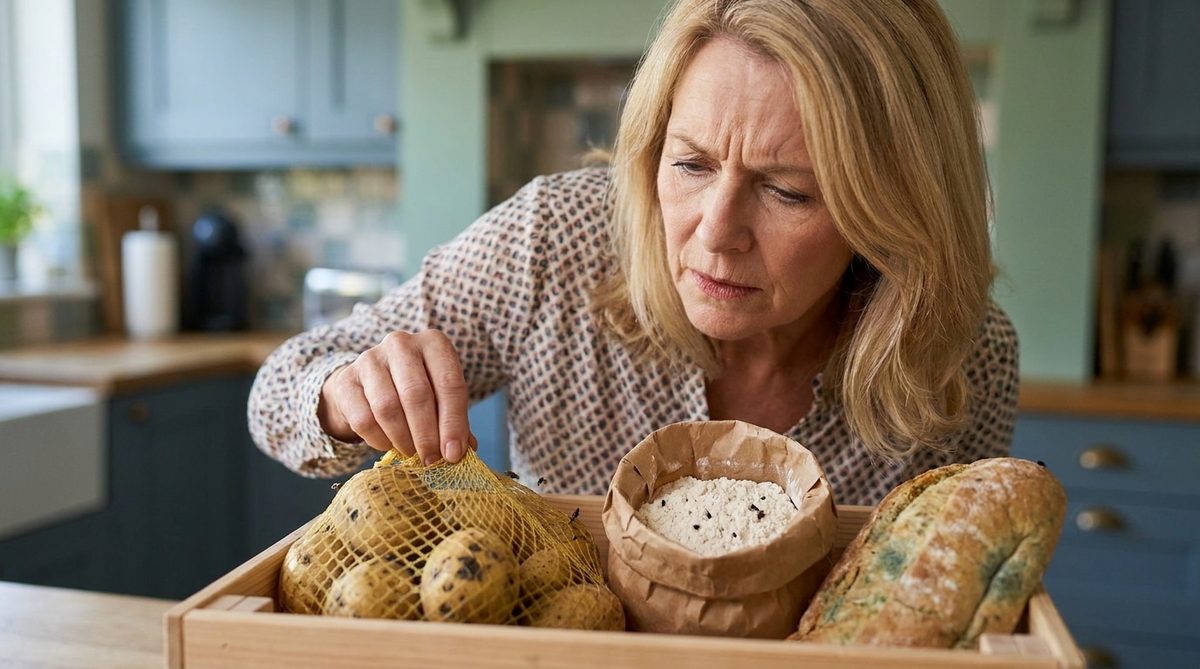
Your pantry smells like stale cookies. A white, chalky film has formed on the chocolate bar. You reach for flour and suddenly little moths dance in the air. Spring is here. The kitchen is heating up. The windows remain open. And paradoxically, your dry ingredients become more vulnerable than ever.
It’s not just about snapping clips into your bag. It’s about creating a special microclimate. You need the right shelves. right containers. An organization strategy that starves insects and prevents mold.
The good news: you don’t need expensive gadgets. You don’t need a renovation budget. You need a simple system. It is based on a dry, ventilated space. Airtight containers. And a quick weekly check. The result is a healthier pantry and provisions that actually last.
Choose a high shelf for delicate pantry items
Insects and mold thrive on two things: moisture and stagnation. In many households, we make the same mistakes. We put things in the back of the closet because it’s convenient. We store the items near the dishwasher, which pumps out heat and moisture. We put boxes under the sink where a small leak creates a tropical rainforest.
This is exactly where you don’t want your food.
The goal is a dry, ventilated corner. Even a small kitchen can find it. Look for a higher shelf. Keep it away from heat-generating appliances. Leave space in front of the boxes for air to circulate. This is the “Goldilocks” zone for your most delicate items.
Flour and grains hate condensation. They attract moths. It helps to place them on a high, airy shelf.
Nuts, seeds and dried fruits are rich in oils. When warm, they go rancid quickly. Stability is key.
Chocolate and spices hate temperature fluctuations. They stay aromatic and potent when kept away from the stove and dishwasher.
The rule is simple. Keep it dry. Keep it ventilated. Keep it away from heat and moisture. Move your sensitive items out of deep places. Changing habits may feel uncomfortable, but the benefits are huge.
Switch to airtight containers to stop infestations
The original packaging looks neat. It’s not a shield. Paper and cardboard let odors escape. They bind moisture. They have microscopic crevices where moth eggs can hide. Even thin plastic bags fail after being opened several times.
Switching to airtight containers is a game changer. It blocks access. It stops the spread. If one item is contaminated, the infestation doesn’t jump to the rest of the pantry. You want a barrier that is visible, cleanable and effective.
Jars with rubber seals work well. High-quality plastic containers with tightly closing lids are also a good choice. Metal cans are perfect for tea, coffee or certain types of flour, as long as the lid fits well.
Transparency is useful. You can see your inventory without having to open everything. Smaller containers are better for items that you open often. This reduces the time that air hits the contents.
Label everything. Write the name and the date you opened it. Separate high-risk categories. One box for flour. One for oats. One for nuts. Less mixing. Fewer surprises.
“No moisture, no heat, no mixing” rule.
Mold doesn’t appear by magic. It comes from small mistakes. Filling a jar while the product is still warm, invisible condensation will form on the glass walls. Overstuffing a shelf, air will be trapped. It locks in humidity. If food is stored too close to a heat source, accelerates spoilage.
Follow this rule: No moisture. No heat. No random mixing.
A dry product can quickly deteriorate if it absorbs moisture from a neighbor. Do not stack boxes haphazardly. Leave room to breathe. Protect light-sensitive objects from direct sunlight.
Create dedicated zones. A shelf for sweets. One for flour and grain. One for nuts and snacks.
The most delicate items are nuts, seeds, coffee, tea, cocoa powder, powdered milk and even sliced bread. Secure them with airtight containers. Store them in a stable place. Avoid temperature fluctuations. This preserves their flavor and prevents them from going rancid.
A pantry shouldn’t be a storage closet for decay. It should be a reserve of fresh ingredients. Start by clearing out the low shelves. Move the flour up. Seal the nuts. Check the seals.
You won’t see moths the next time you bake. You’ll just see the result.
You may wonder why dry goods go rancid or spoil so quickly, especially if you’ve just bought them. The culprit often hides in plain sight: your fruit basket.
Certain fruits release ethylene. It’s natural gas. This gas accelerates ripening of other products. The domino effect is created in a closed cabinet. Bananas, apples and pears are the usual suspects. In the spring, we tend to keep them on the counter or in a bowl within easy reach.
The problem is not the fruit itself. It is close to dry storage zones. The environment is getting warmer. The scents circulate. Sensitive items age faster. Storing ripe fruit and dried goods in the same cupboard is practically inviting trouble.
How to store ripe fruits separately from dried ones
The solution is in space separation. Create a dedicated fruit basket. Make sure it is well ventilated. Keep enough distance between this basket and onions, potatoes and dry staples.
Ideally, potatoes belong in a dark, ventilated place. Onions should be kept separately. Ripe fruits are left on the counter or in a place reserved for them, which is not used for storage.
To control maturity:
* Isolate very ripe fruit immediately.
* Consume it or transform it.
* Refrigerate foods that may be over-ripen if you have the space.
This strategy is dominated by two objectives: separation of ripe fruit and stabilize the air in your dry provisions cupboard.
Five minute weekly stock check
Five minutes a week is often enough to prevent infestation or massive waste. Think of it as a mini tour. Open jars. Smell the contents. Look for clues.
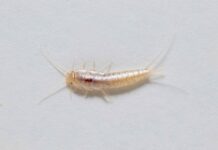
Rancid smells is a warning sign. Clumps of powder mean that moisture has penetrated. Fine trails on the bottom of the glass indicate insects. Suspicious threads or small insects near corners require attention.
This test works best in the spring. As the heat rises, food moths develop faster. You don’t need to clear everything. Just stay alert to prevent problems from spreading.
For this routine to work, the rotation must be automatic. First in, first out. Group opened products to the front. New purchases go to the back.
If you notice a problem, act immediately:
1. Quarantine the suspect product.
2. Dispose of what is affected.
3. Clean only the affected area.
4. Transfer the remaining food to airtight containers.
Keep it simple. Display a single checklist on the pantry door:
* Look for smells, lumps, tracks and cobwebs.
* Verify dates and group open items.
* Isolate and dispose of suspicious items, clean and reorganize them.
Securing your dry storage
The most important factor is the top shelf, which is dry and ventilated. Combine this with airtight containers. Keep ripe fruits strictly separate. Do this quick weekly check.
What you get goes beyond peace of mind. You waste less. The food retains its taste. Cabinets stay pleasant to open.
The next time you reorganize, ask yourself: which kitchen zone will permanently become the official haven for these delicate items?