



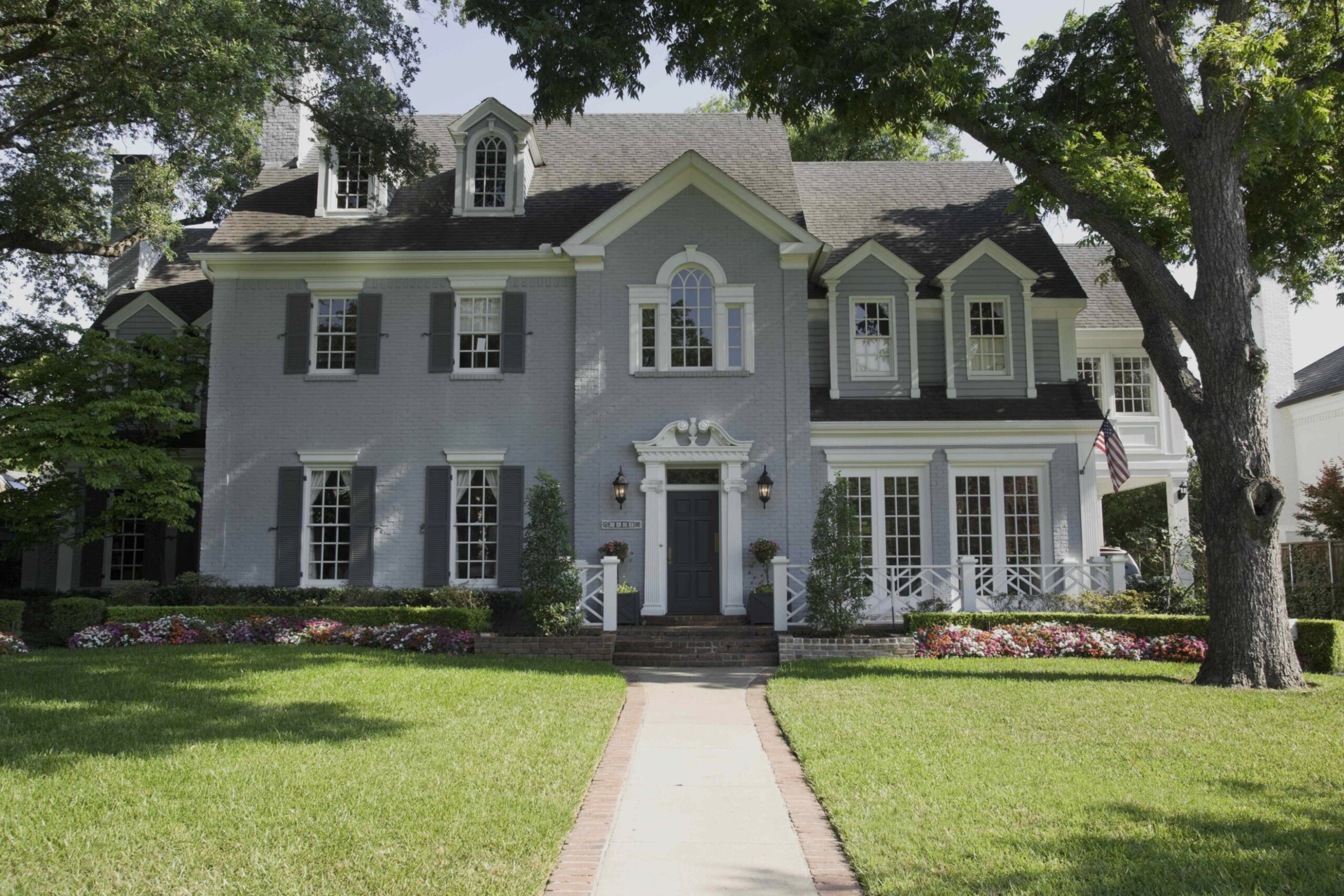
Looking at the grounds of estates like the Breakers or even just your neighbors’ yards can offer a roadmap for your own landscaping. You don’t need a historic mansion to achieve that high-end aesthetic. The trick lies in the selection.
Landscape designers agree that certain specific plants instantly signal luxury. It’s not about spending more money on the lawn itself, but about choosing the right greenery to elevate the entire property’s visual value.
Match Your Plants to Home Architecture
The foundation of expensive-looking landscaping starts with harmony. You need to align your plant palette with your home’s architectural style. Russell Wightman, founder of Wightman Design, emphasizes that your greenery should bridge the gap between the native environment and your home’s materials.
Think about the vibe you are going for. A traditional home benefits from classic, structured greenery.
“Understand the correlation with the style of the home… This allows you to choose between plants that do wells in the climate… and the overall style.”
For a traditional aesthetic, consider boxwood, roses, or bay laurel. These plants offer a sense of order and heritage. If your home has more modern, quirky, or funky architecture, you will want plants that act as sculptural elements rather than standard fillers. The goal is cohesion. A mismatched garden always looks amateur.
Japanese Maples as Living Sculpture
If you want a yard to look instantly sophisticated, start with a focal point. Caroline Ervin, a landscape designer and plant shop owner, suggests using unusual or rare specimens. She isn’t talking about cheap nursery stock. She means statement pieces.
Her top recommendation? The Japanese maple. Specifically, varieties like the Bloodgood or the Sango Kaku.
These trees are beautiful because they are intricate. The twisting branches and feathery leaves create a level of detail that smaller, bushier plants can’t match. Sophia Bennett, a senior landscape specialist at Williams Landscaping, calls them “living sculpture.” The layered branching makes even a tiny corner feel intentionally planned rather than accidentally filled.
For most regions, Japanese maples thrive in USDA zones 5 through 8. They prefer partial sun and can grow up to 15 feet wide and tall. They are slow growers. This patience is part of the appeal. They demand time, just like luxury.
Boxwood Hedges and Topiary
Boxwoods are another staple in high-end landscaping. Ervin notes that these shrubs are excellent for creating that pristine, orderly look associated with wealthy neighborhoods.
Why? Because they are manipulable.
“They can be formed into beautiful hedges… With year-round evergreen structure, boxwood creates the form of the garden.”
You aren’t just planting a shrub. You are carving a shape. Boxwoods can be pruned into tight hedges that line walkways or shaped into interesting topiaries that serve as garden ornaments. Their evergreen nature means the structure remains visible even in winter. This constant form is expensive-looking because it signals maintenance. It signals that someone is watching the garden.
They are hardy in zones 5 through 9. They grow slowly in both sun and shade. That slowness allows for precise trimming.
Mass Planting: The Power of Repetition
Some yards look expensive simply because they feel overwhelming in a good way. Not cluttered. Imposing.
Ervin points to a technique called massing. This means planting large quantities of a single type of plant. A vast swath of identical greenery or flowers creates a sense of “quiet luxury.” It avoids the busy, scattered look of a typical suburban garden where every plant is trying to be different.
Instead of mixing and matching ten different flowers, go all-in on one.
“A massing of white hydrangeas or rows of peonies in bloom draws the eye.”
This technique creates visual weight. It tells the viewer that there is abundance and intentionality behind the design. It is a deliberate choice to reject the chaotic mix for a bold, singular statement.
Hydrangeas for Instant Coastal Charm
Speaking of mass planting, hydrangeas deserve special mention. A large cluster of blue or white hydrangeas instantly transports the viewer to places like Newport, Nantucket, or the Hamptons. It is a specific aesthetic shorthand.
Sophia Bennett describes them as offering “big bang for the buck.” They are sizable. Their blooms are large. When you repeat them along a fence line or building foundation, the effect is lush. It reads as dense and healthy.
The color palette of hydrangeas is also naturally calming. Blue and white tones reduce visual noise. They don’t scream for attention. They just sit there, large and beautiful. This subtlety is a key component of looking expensive. You don’t have to shout. The plants speak for themselves.
Choose Large Plants Over Small Ones
Finally, there is the size factor. Wightman offers straightforward advice: go big.
“Don’t wait for things to grow in.”
Small plants are cheap. They are also time-consuming. A landscape filled with six-inch saplings looks like a construction site, not a finished home. Larger plants immediately establish presence.
Consider installing full-grown oak trees or aloe varieties instead of waiting years for a sapling to mature. The upfront cost is higher. The visual return is immediate. The yard looks established the day after planting. There is no waiting.
Luxury in landscaping is often about reducing friction. Less chaos. More structure. Bigger impact. Start with the architecture. Add the sculptural elements like Japanese maples. Mass out the color. And always, always choose the bigger plant if you can afford it. Your curb appeal will thank you.