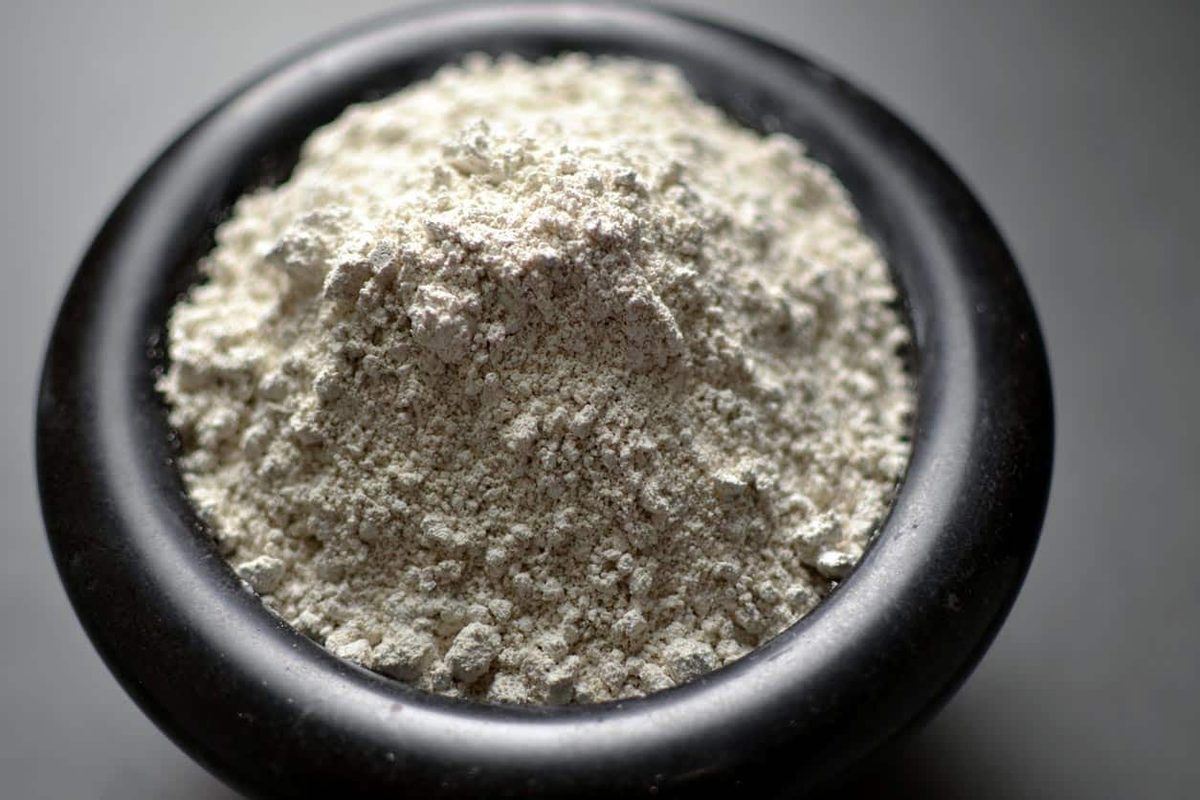
You have probably seen it listed as an ingredient in natural pest control or as a filtration medium. It is not a chemical. It is dirt. Specifically, it is diatomaceous earth (DE).
This stuff is basically fossilized algae. Microscopic algae called diatoms lived in bodies of water millions of years ago. When they died, their silica-rich skeletons settled on the bottom. Over eons, pressure turned them into a soft, chalky sedimentary rock.
Mined from quarries, this material is ground into a fine powder. The result is a natural product with serious utility. It is not just for swimming pool filters. You can use it in your home in ways that do not involve harsh chemicals.
Here are eleven practical applications for diatomaceous earth around the house.
Why It Works on Pests
The primary reason homeowners reach for DE is to stop bugs. But it does not work like poison. It does not rely on neurotoxins or systemic absorption.
DE works physically. Under a microscope, the powder looks like shards of glass. Thousands of them.
When a crawling insect walks across a layer of DE, those microscopic edges cut into its exoskeleton. The insect loses moisture. It dries out. It dies.
Note: For this to work, the powder must remain dry. Moisture neutralizes the effect.
This makes it safe for homes with pets and children. Just keep the powder away from their eyes and lungs while you apply it. Once it is in the cracks and crevices, it is inert.
How to Choose the Right Type
Not all diatomaceous earth is created equal. There are two main grades.
- Food Grade: This is what you want for home use. It is safe if ingested in small amounts (often added to animal feed) and safe for skin contact. It is non-toxic.
- Filter Grade: This is treated for high-temperature use in industrial filters. It often contains crystalline silica. Breathing this dust can damage your lungs. Do not use it around your home.
Always check the label. Look for “Food Grade” or “USDA approved.”
Safety First
Before you start sprinkling this stuff everywhere, put on a mask. The particles are so fine they become airborne easily. Inhaling dust is bad for your lungs regardless of the grade. Wear a N95 if you are using large quantities.
Goggles are also smart. You do not want powder in your eyes. It will itch. It will be annoying.
11 Ways to Use Diatomaceous Earth
1. Stop Ants
Ants leave scent trails. They follow them to your kitchen. DE breaks the trail. It also kills the ones that cross it.
Sprinkle a thin line along windowsills, door frames, and baseboards. Do not pile it up. A thin layer is enough. If they have to walk through it to get in, they die.
2. Kill Bed Bugs
Bed bugs are tough. They hide in mattresses and box springs. DE can help.
Sprinkle it around the bed frame. Under the mattress seams. In the cracks of the headboard. Vacuum it up later. It takes time.
The Silent Killer in Your Garden and Home
You know that fine, gritty dust coming from the bottom of your pantry? It’s not just old flour. It’s diatomaceous earth, and it’s one of the few things that actually works without turning your home into a chemical hazard zone.
We often see it sitting next to the synthetic sprays at the hardware store. But there’s a reason it’s there. It’s simple physics. Diatomaceous earth is essentially fossilized algae. Microscopically, those shells are jagged, sharp edges. When an insect crawls over it, those edges slice into their exoskeleton. The insect dries out and dies. No poison. Just dehydration.
Repelling Ants and Bed Bugs
Start at the perimeter. If you have ants marching across your kitchen counter, they’re following a scent trail. You can’t wash that away easily. But you can break it.
Sprinkle a thin line of food-grade diatomaceous earth at the base of your door frames and under windows. Don’t pile it up. A dusting is enough. When the ants try to cross, they hit the powder. The job is done for them.
Inside the bedroom? Bed bugs are the real nightmare. They hide in the cracks of your headboard and along the baseboards. Pour a small amount of the earth along the edges of your bed frame and near the skirting boards. It creates a barrier they won’t cross.
Your vegetable garden is under siege by caterpillars and aphids? Sprinkle it around the base of your plants. It’s a physical trap, not a poison. The bugs get stuck, dry out, and leave. Simple.
Dealing With Fleas Without the Chemicals
If your dog or cat has fleas, you’re probably worried about what you’re putting on their skin. Synthetic spot-ons can be harsh. Diatomaceous earth offers a mechanical solution.
Put on gloves. You don’t want this powder in your lungs or eyes. Sprinkle it generously over carpets and hardwood floors. Focus on the areas where your pet sleeps. The couch too.
Let it sit overnight. The powder gets into the fibers, trapping the fleas and absorbing their moisture. In the morning, vacuum everything up. The dead bugs and the powder go into the bag. Dispose of it outside.
Want to treat the pet directly? Lightly dust their coat before a bath. The powder clings to the fur, targeting the fleas and their eggs. It’s gentle on the skin if you use food-grade quality. Just avoid getting it in their eyes.
Cleaning the Coop: A Chicken Keeper’s Guide
Red mites are a plague for backyard chickens. They hide in the wood crevices during the day and bite at night. You need something that won’t poison your eggs.
Use gray diatomaceous earth. It’s non-volatile, meaning it stays put longer than the white kind. Crucially, it must be food-grade. This ensures it’s safe if the chickens peck at it or if it settles in their feed area.
Strip the coop. Remove all soiled straw. Scrub the nesting boxes and roosting bars. Sprinkle a layer of the earth across the floor and on the roosts. Lay down fresh straw. Then, add a final dusting of diatomaceous earth on top of the straw.
You’ll need to repeat this. One application kills the current generation. The next hatchlings will hit the barrier and die too. It’s a cycle-breaker.
Winemaking and Filtration
If you make your own wine, you know filtration is key. You need to remove solid particles like proteins and yeast to improve clarity and stability.
Traditional winemakers use diatomaceous earth for this. Why? It’s highly porous. Think of it as a microscopic sponge. The uncalcined variety has a massive surface area. It traps solids while letting the liquid pass through.
It’s an ancient method for a reason. It doesn’t alter the flavor profile like some synthetic filters might. It’s pure, natural filtration. If you’re looking to produce high-quality wine without chemical residues, this is the material to use.
Skin Care: The Diatomaceous Earth Mask
Yes, you can put this on your face. But you must use food-grade or cosmetic-grade diatomaceous earth. Never use the pool-grade stuff. That’s calcined and sharp enough to damage lung tissue, let alone your skin.
The silica in the powder acts as a gentle exfoliant. It sloughs off dead skin cells. The result is smoother, brighter skin.
Here’s how to make a mask in two minutes:
- Take two tablespoons of diatomaceous earth powder.
- Mix with one tablespoon of aloe vera gel.
- Apply to your face.
- Let it dry for a few minutes.
- Rinse with clear water.
- Follow with your usual moisturizer.
It’s cheap. It’s natural. And it works.
Controlling Cat Litter Odor
There’s nothing worse than the smell of a full litter box. It’s not just ammonia. It’s bacteria breaking down waste.
Diatomaceous earth is a powerhouse absorber. Before you add your usual clay or silica gravel, sprinkle a layer of the earth at the bottom of the box. Then add your litter. Then add another light dusting on top.
The powder absorbs moisture and neutralizes odors at the source. You’ll notice a difference almost immediately. The box stays fresher longer. You’ll change the litter less often. It’s a small change with a big payoff.
Absorbing Oil Spills
Kitchen accidents happen. You drop olive oil or grease on a porous tile floor. If you don’t clean it up fast, it stains.
Don’t reach for the chemical degreaser yet. Pour diatomaceous earth over the spill. Let it sit overnight. The powder soaks up the oil like a sponge.
In the morning, sweep or vacuum it up. Wipe the spot with a damp sponge. The stain is gone. The floor is clean. No harsh fumes. No slippery residue.
Shoes That Don’t Stink
Sweaty feet lead to smelly shoes. It’s a biological fact. Bacteria thrive in the dark, damp environment inside your sneakers.
Sprinkle a teaspoon of diatomaceous earth into each shoe before you put them on. Or do it at night before bed. Let it sit overnight. The powder absorbs moisture and kills the bacteria.
Vacuum out the residue in the morning. You can repeat this as often as needed. It’s a simple hack that keeps your footwear fresh without masking the smell with perfume.
Cleaning Pots and Pans
Scouring powder is mostly salt and abrasives. Diatomaceous earth is a natural abrasive. It’s harder than dirt but softer than metal.
For heavily soiled pots and pans, sprinkle the powder in the bottom. Add a little water to make a paste. Scrub with a damp sponge. The grit lifts the burnt-on food without scratching non-stick surfaces or stainless steel.
For copper or silverware, mix three tablespoons of diatomaceous earth with tap water to form a thicker paste. Rub it onto the tarnished metal. Rinse and buff. Your silver will shine. Your copper will glow.
It’s all about using what nature already gave us. The same powder that kills bugs in your garden can clean your kitchen and your skin. It’s versatile. It’s cheap. And it doesn’t require a degree in chemistry to use.
Just remember to wear a mask if you’re using it in large quantities. The dust is fine. Very fine. Protect your lungs. Everything else? You’re good to go.
Stop trash can stink with diatomaceous earth
Most people leave their bins smelling like regret. Try pouring a layer of diatomaceous earth into the empty container before dropping in a fresh liner. The powder acts as a natural desiccant. It soaks up moisture at the source. This stops bacteria and mold from taking hold. You won’t get those dreaded mildewy whiffs. Just be sure to repeat this every time you swap out the bag. The effect is immediate and chemical-free.
Feed houseplants without chemicals
Diatomaceous earth isn’t just for pests and smells. It is loaded with silica. That mineral matters for plant growth. Stir a few tablespoons into your indoor plant soil. Your green friends get nutrients they actually need. The earth also holds water well. It retains about one and a half times its weight in liquid. This means you can stretch out your watering schedule. Less frequent watering reduces the risk of root rot.
Where to buy diatomaceous earth
You might be wondering where to source this powder. It is not usually in the paint aisle. Check your local supermarket’s cleaning or organic section. Hardware stores often carry it near gardening supplies. Specialty natural food shops are reliable sources too. Look for food-grade if you are using it near plants or pets. The texture is fine and dust-like. Handle it carefully to avoid inhaling the particles. Once you have it, these household hacks become routine. The bin stays fresh. The plants stay lush. It is a small change with noticeable results.