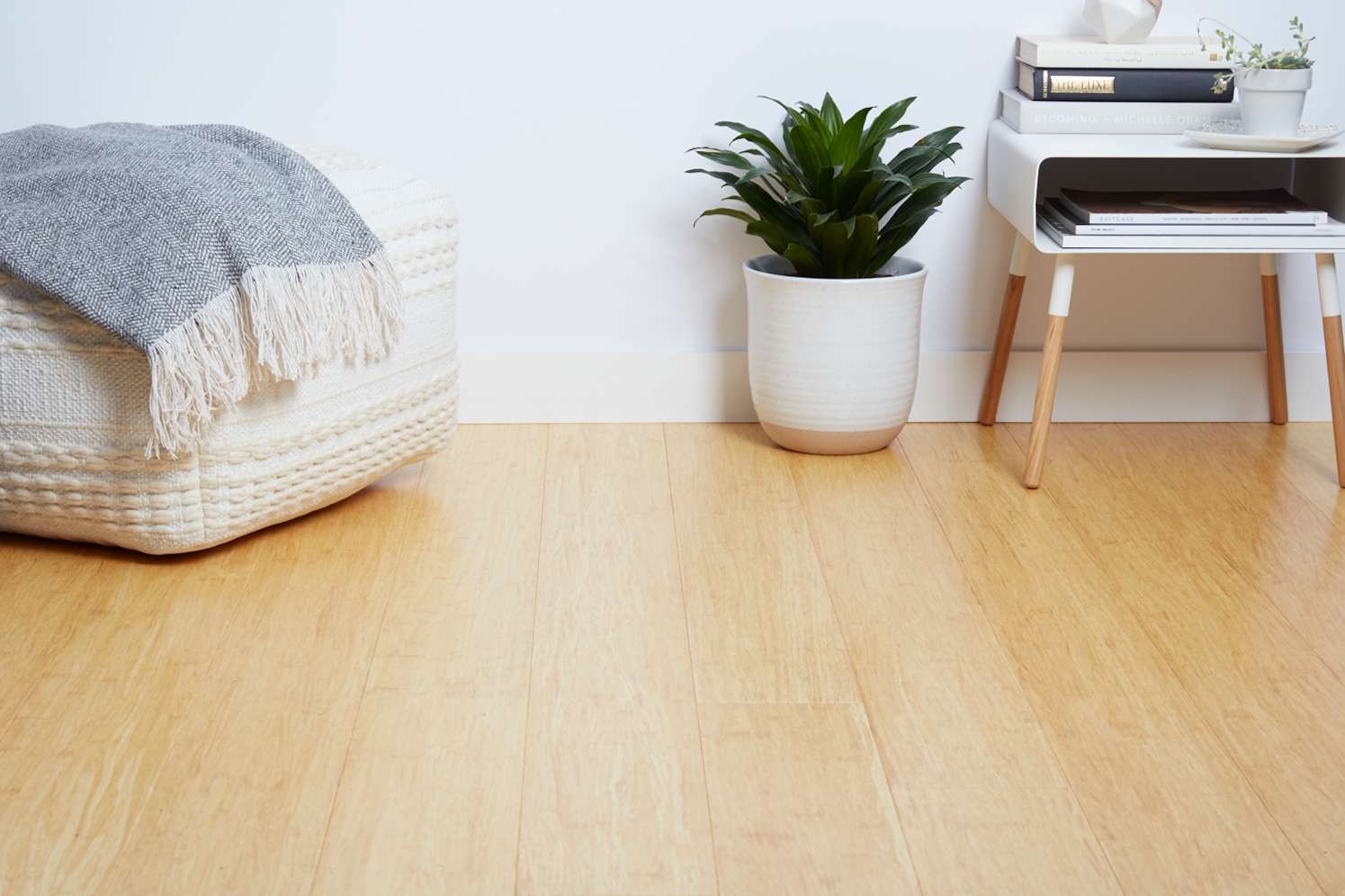
Bamboo flooring looks like hardwood. It feels like hardwood. But technically, it is a grass.
This distinction matters more than you might think. If you are shopping for bamboo flooring pros and cons, you need to look past the aesthetic appeal. The material is renewable. It is fast-growing. But it is also prone to swelling in humidity and scratching under heavy traffic. Understanding how it works prevents expensive mistakes.
Here is what you actually need to know before buying.
Types of Bamboo: Which One Should You Choose?
Not all bamboo is created equal. The manufacturing process changes everything, from hardness to price.
Stranded bamboo is the heavy hitter. Manufacturers shred the stalks, mix them with resin, and compress them under intense heat. This creates a material denser than most traditional hardwoods. It comes in tongue-and-groove planks or floating styles. It is premium. It is durable. And it comes in a variety of stained colors.
Horizontal bamboo tells a different story. The stalks are sliced into flat strips and glued together. You can see the grain lines clearly, running horizontally across each plank. It looks striking. But it is softer and less durable than stranded bamboo.
Engineered bamboo mimics the construction of engineered hardwood. A thin veneer of real bamboo sits on top of a plywood or MDF core. It installs easily using click-lock systems over foam underlayment. This is the cheapest option. But you cannot refinish it. If it gets damaged, it’s likely gone for good.
Bamboo Flooring Cost Breakdown
Prices mirror hardwood floors. Expect to pay between $2 and $8 per square foot for the materials alone. The national average sits around $3.84 per square foot for solid planks.
Labor adds roughly $4 per square foot.
Total installed cost usually lands under $10 per square foot for a good quality job. That is competitive. But there is a catch. Unlike oak or maple, there is no standardized grading system for bamboo. Retailers use their own “Grade A” and “Grade B” labels. These mean different things at different stores. A Grade A at one shop might be a Grade B at another. Find a reputable dealer. Do not guess.
Is Bamboo Actually Eco-Friendly?
Yes, if you only look at the harvesting. Bamboo is incredibly renewable. Stalks regrow quickly without needing to replant. No forests are cut down for this product.
However, the manufacturing process introduces toxins. The resins used to bind the bamboo strands often contain urea-formaldehyde. This chemical outgasses into your indoor air.
Cheap bamboo? Likely higher formaldehyde levels. Expensive bamboo? Usually safer, using alternative resins. The levels are generally similar to those in engineered hardwood or MDF, so it rarely affects everyone. But if you have chemical sensitivities, it can trigger reactions. Look for products labeled “formaldehyde-free.”
Maintenance: Cleaning and Water Damage
Cleaning is straightforward. Sweep or vacuum regularly to remove grit. Use a non-wax, non-alkalinemop for deeper cleans.
Water is the enemy. Bamboo resists moisture better than some hardwoods, but it is still organic. Standing water causes mold. High humidity causes swelling. Low humidity causes shrinking. If your home swings between extreme wet and dry, bamboo planks may crack. It happens more often than with traditional wood.
Scratches? Bamboo is harder than many hardwoods, so it resists dents well. You can usually sand and refinish solid bamboo. Do not attempt this on engineered bamboo; it will destroy the thin top layer.
Sunlight causes fading and discoloration. Use blinds or shades in south-facing rooms.
Installation: DIY vs. Professional
Solid bamboo installs like solid hardwood. Nail-down planks require a professional. Glue-down over concrete is an option for experienced DIYers. Thinner solid planks can float, using a click-lock mechanism. This allows the floor to expand and contract with humidity changes. It is easier to install yourself.
Engineered bamboo almost always uses a floating click-lock method. This is DIY-friendly. It is also cheaper. But remember, you cannot refinish it.
Most planks come prefinished with urethane. If you buy raw planks, you must stain and seal them after installation.
Bamboo vs. Hardwood: The Verdict
The choice often comes down to aesthetics and ethics.
Bamboo is typically lighter. It has a uniform texture with distinct horizontal lines. Hardwood has unique, random grain patterns. Carbonized bamboo is darker, but the uniformity remains.
Both materials require sealing against water. Both scratch. Both add value to your home.
But bamboo is harvested from regenerative shoots. No trees fall. That is the primary driver for many buyers. If sustainability is your priority, bamboo wins. If you want the classic look of varied wood grains, stick with hardwood.
Top Brands to Consider
Most major hardwood brands carry bamboo lines. For specialized quality, look here:
- Plyboo: Uses soy-based resins. Zero formaldehyde. Expensive ($6+/sq ft), but aesthetically striking.
- Cali Bamboo Flooring: Huge selection. Includes options designed for high-moisture areas.
- Teragren: Known for sustainable farming and fair labor. High-quality product.
- Ambient Bamboo Floors: Specializes in formaldehyde-free stranded bamboo.
Comfort and Final Thoughts
Bamboo floors are generally non-allergenic. However, volatile organic compounds (VOCs) from the adhesives can bother sensitive individuals. If you react to chemicals, stick to the formaldehyde-free brands mentioned above.
So, is bamboo flooring right for you?
If your climate is stable and you want a renewable, stylish option, yes. It works well in most rooms. Avoid it in extremely humid basements or excessively dry attics. It is a material that demands a specific environment to perform its best.
It is trendy. It is elegant. But it requires vigilance. Keep an eye on humidity levels. Watch for scratches. Respect the grain.
The floor will look great for a long time. Provided you treat it correctly.


