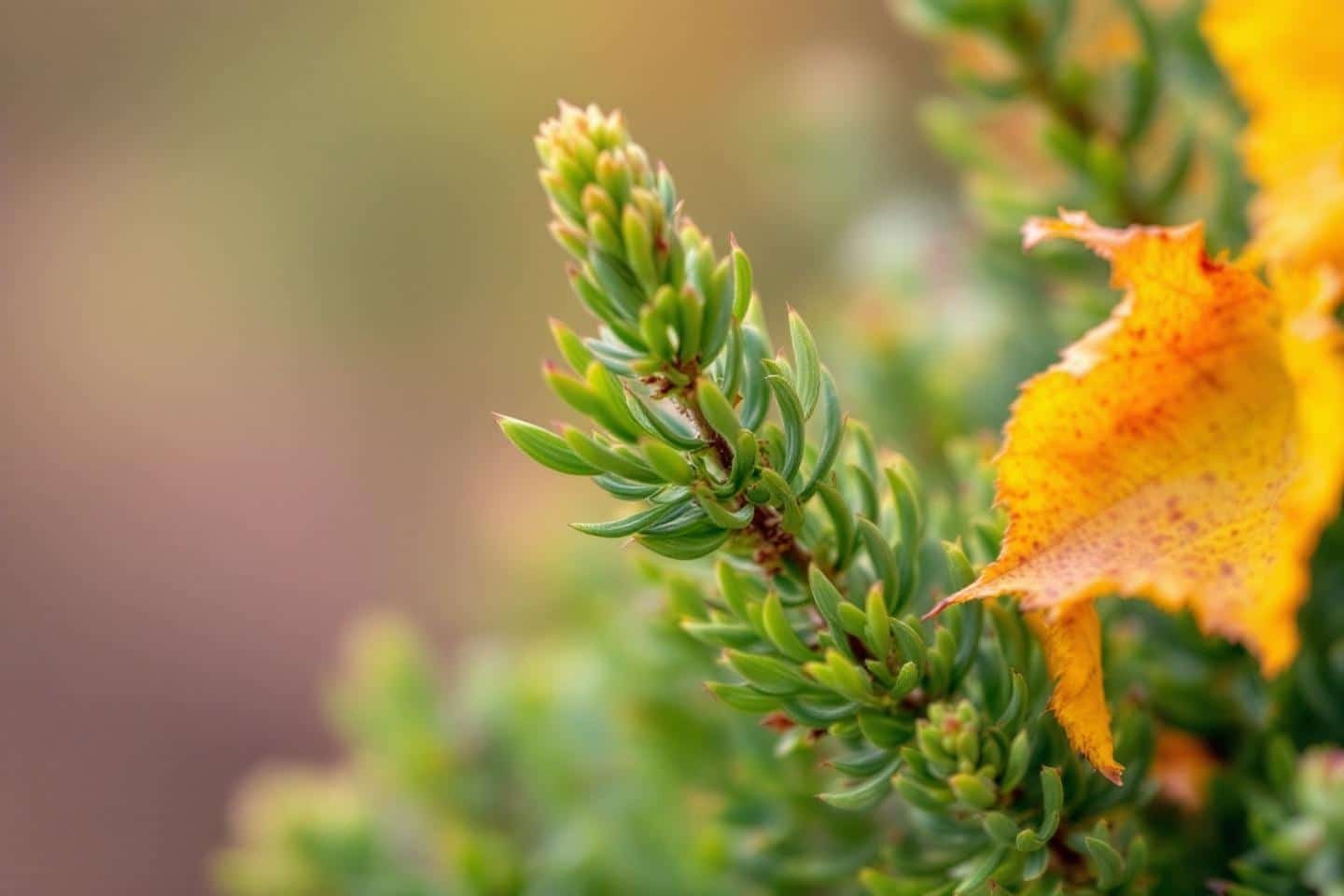
The best time is the end of October. The air smells like damp earth and the light gets softer. Most gardeners hesitate here. They thought, “Wait until spring.” This is a mistake.
Pruning bushes before hibernation is more than just cleaning. This is a strategic move. The performance of your bush will change next spring. The secret is not fancy chemicals. It is timing. It’s a simple technique that garden designers know but don’t often share.
This small cut in October will breathe new life into your garden. It sets the stage for a flowering explosion in March.
An ideal window for promoting the growth of bushes
It’s the end of October and autumn is deep. The soil still holds summer warmth. It rains regularly. Plant growth naturally slows down. This is the perfect window for careful pruning.
Nature will help you. Sap has moved down to the roots. The plants are less sensitive to small wounds. You can reduce stress by starting fat loss now, before the cold season arrives. You avoid the damage that hard frost would do to fresh, uncallused cuts. Timing is on your side.
Why does nature provide this window
The key is the balance between remaining plant activity and lower temperatures. Around All Saints’ Day, shrubs start preparing for winter rest. But they continue to react.
A little surgery at this time will help you recover in the spring. It does not cause unwanted new growth that can be killed by frost. You get the benefit without the risk.
The secret of growth was revealed in the rhythm of the seasons
Autumn sets the pace. Synchronize your maintenance with it. Take advantage of natural dynamics. The roots are ready to store energy. The branches are cleared of dead wood. New foliage is ready to burst out after winter.
This harmony separates the bed of suffering from the garden full of life. One relies on force. The other works with the clock.
Dead trees and diseases: Cleaning to revive plants
Too many gardeners think that pruning is just about aesthetics. it is not. The real goal is health. Autumn care gives every bush a nicer start. Stronger.
How to Spot What Drains Vitality
A vibrant bush starts with a good cleaning. Look for signs such as:
- Dry and brittle wood. Gray or black centers.
- The leaves are yellow and have suspicious spots.
- Thick moss, lichen or strange growths.
You can usually tell the difference between life and death by touch. A healthy tree remains green under the bark. It bends. Dead wood cracks. It separates easily.
A smart way to say goodbye to pests
Removing dead wood in late October eliminates winter habitat for pests and fungi. They love damaged parts.
To fix this:
- Cut at an angle just above an outward-facing bud.
- Use clean, disinfected tools.
- Remove all cut branches. Compost or trash them. Do not leave them around.
This measure prevents the spread of the disease. This is the first step towards beautiful spring flowers.
Stress-free thinning: let the light in
The dense mass blocks light and air. The inner branches suffer. As a result, the number of flowers also decreased rapidly. the onset of the disease. The shape looks dirty.
If you thin them wisely, their vitality will return. It retains its natural charm.
Release indoor air and light
Look for branches that intersect. Look for plants that grow directly into bushes.
Remove the weakest stems. Remove poorly oriented or overloaded ones.
Circulate the air. Prevents stagnant moisture. Shine a light on the bottom. This promotes new growth in the spring. Build hedges and small trees. The result is a beautiful and sustainable garden.
Tools for smooth and efficient cropping
No special weapons required. Just these basics:
- Sharp hand pruner for thin branches.
- Brush shears Gently level large surfaces.
- Cutting saw For thick or diseased limbs.
Clean the blade and handle. Prevents fungi and viruses from jumping from bush to bush.
Keep it simple. The best results are obtained by working with the seasons and not against them. What should be cut first?
Pruning in October is more than just cleaning. If it’s done well, you can move the center of gravity inward into the bush. Plants stop worrying about summer growth and start preparing for winter dormancy. Now is the time to secure the buds that will set the tone for next spring’s show.
How bushes store energy for spring
Autumn is not a pause button. This is a thorough preparation stage. After these reductions, the plant reallocates resources. It strengthens the remaining shoots and stores energy deep in the roots. This biorhythm is common in Mediterranean gardens, but works everywhere, ensuring an explosive restart in the spring. This shrub essentially stores energy during the cold season and relies on that stored energy when the snow begins to melt to produce strong, well-formed flowers.
Mistakes That Kill Your Spring Bloom
Careless pruning can ruin years of growth. If you cut too hard or at the wrong time, you may deprive your bush of the next season’s flowers. Fresh buds are also exposed to frost damage, which makes them more susceptible to the effects of cold weather.
Misplaced incisions can open the wound and lead to disease and debilitation.
Avoid drastic volume reduction. Instead, prioritize ventilation. Thin out the interior and allows light and wind to reach the center. This prevents damp, stagnant conditions from promoting rot. Always test your technique on a small part first. Do not commit to full coverage until you are sure the structure will respond appropriately.
From autumn cleaning to Spring Renaissance
This is a cycle, not a one-time event. Autumn pruning lays the foundation for a healthy garden for years to come. This is a long-term investment in landscape sustainability.
Signs of successful pruning
Look for the following indicators in March or April.
- Dense and healthy leaves.
- The branches are covered with flower buds.
- Few bare or leggy stems.
The lawn around the hedges feels less crowded. The borders will explode with color. The natural design of the garden eventually reaches its full potential and looks more like a well-planned space than a boring task.
Extending Health and Beauty Year-Round
Once you’re done pruning, keep up the pace. Check each season for dead or diseased branches. Remove them promptly. Spread natural mulch around the base of the bush. This limits evaporation and slowly nourishes the soil.
Fertilize carefully. Moderate your input during growth periods. If you fertilize too much, the plant will have to grow soft new wood that may not harden by winter, weakening the plant. This environmentally friendly method keeps flowers and hedges easy to maintain and beautiful.
Pruning in October is a small effort, but with big results. Remove dead wood and clean the inside of the bush to stimulate its natural vitality. With this simple procedure, you can change the look of your garden without any extra effort. Even dry corners or partially shaded areas, where growth is usually slow, create ideal conditions for spectacular renewal. Leaves fall, wounds heal, and the stage is set.