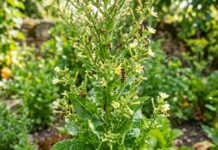





Most gardeners dread July. The heat is oppressive, the water bills climb, and the lawn looks like it’s giving up. You want a garden that looks professional, lush, and colorful without needing a hose in your hand every evening. It feels impossible. But there is a perennial that thrives in this exact climate and requires almost zero care.
It is Gaura lindheimeri, often just called gaura.
While many plants wilt or turn brown under the French summer heat, gaura bounces back. It is rarely seen in mass marketing yet, but among serious gardeners, it is becoming a secret weapon. If you have a sunny terrace, a small patio, or a traditional Mediterranean border, this is the plant to focus on right now.
Why Choose Gaura for Summer Borders?
When temperatures spike, most flowers shut down. Gaura does the opposite. It produces an airy, delicate display that dances in the slightest breeze. The stems are thin, almost translucent, supporting flowers that range from pure white to soft pink.
It fits into almost any style. Want a zen garden? It works. A wildflower meadow vibe? It fits. It thrives in full sun where other species struggle. The key here is drought tolerance. Once established, it doesn’t beg for water.
The Hidden Benefits of This Perennial
You might be wondering why you should bother with an “obscure” plant. The answer is longevity. Gaura is tough. It has minimal maintenance requirements and offers continuous blooms from early summer until the first frost.
You only need to cut it back once a year. That’s it.
It handles poor soil, sandy patches, and even rocky ground. It looks good on a steep slope and equally good in a small container. It combines natural design with low effort, which is rare.
Where to Plant for Instant Impact
Planting gaura in July gives you immediate results. Unlike many perennials that take years to mature, gaura establishes quickly. You will see the transformation almost immediately.
Sunlight is non-negotiable. Gaura needs full sun. It struggles in shade. The soil can be anything from clay to sand, provided it drains well. Avoid low spots where water pools. If the roots sit in wet soil, the plant suffers.
Step-by-Step Planting Guide
To get the best start in July, follow these steps. Do not skip the drainage check.
- Dig a hole: Make it about 30 cm wide and deep. Loosen the soil at the bottom.
- Prep the plant: Water the root ball before planting to hydrate it.
- Position: Place the plant in the hole. Do not bury the crown (the base of the stems). Keep it level with the surrounding ground.
- Backfill: Use the native soil to fill the gap. Press down gently to remove air pockets.
- Water: Give it a thorough watering immediately. Just this once.
- Mulch: Add a light layer of mulch. This helps retain moisture during the critical rooting phase and suppresses weeds.
After this initial drink, let nature take over.
The End of the Watering Can
The real luxury of a landscape garden in summer is looking at flowers without thinking about irrigation. Gaura is a champion of dry conditions.
Once the roots are set, the plant is virtually indestructible regarding heat. Its deep roots tap into moisture that shallow-rooted neighbors can’t reach. It survives the harshest Provençal summers and mild winters.
The only weakness is too much water. Poor drainage kills gaura. Ensure your soil lets water pass through quickly.
Visual Appeal Beyond Resistance
Gaura isn’t just tough; it’s beautiful. The flower spikes regenerate constantly. While other borders fade or look ragged by mid-July, gaura provides a moving cloud of blossoms.
It attracts pollinators like bees and butterflies. The effect is graphic and stylish. It works as a border, on a terrace edge, or next to a lawn. It wakes up tired corners of a garden with minimal input.
The question is, are you ready to stop fighting the summer heat and start enjoying your outdoor space? The tool is simple. The result is striking.
Pairing gaura with other plants isn’t just about aesthetics. It’s about survival. Specifically, it’s about keeping your garden alive when July hits hard and nobody wants to carry a hose.
While gaura (now often reclassified under Oenothera ) thrives alone, it really shows off when surrounded by tough companions. You don’t need a degree in horticulture to make this work. You just need a few right neighbors to structure the bed and keep the visual noise down.
Choosing Companions for Structure and Color
Think of these pairings as a recipe. You have your base, your middle, and your filler.
For a Mediterranean vibe:
Plant gaura along the edge with lavender, santolina, or ornamental grasses like Stipa or fescue. The look is airy. The maintenance is nearly zero. If you live in a dry zone, this is your setup.
For height and contrast:
Drop gaura into a border with rudbeckias, echinacea, salvia, or agapanthus. You get vertical interest. You get different bloom times. The summer stretches out because these plants don’t all fade at the same time.
For the ground level:
Fill in the gaps with creeping perennials. Geraniums (hardy cranesbill) or creeping thyme work well. They choke out weeds. They cover bare soil. You stop worrying about the gaps between the tall stems.
Add texture with hardscaping:
Don’t ignore the spaces around the base. Use mineral mulch, river stones, or stepping stones. It breaks up the greenery. It makes the design look intentional rather than accidental.
Creating a Season-Long Display
Gaura is the ultimate bridge plant. It picks up where spring bulbs fail and holds the line until the first frost.
Its main trick? The foliage stays clean. It doesn’t get mushy or spotted like some other perennials. And the flowers? They bloom from June straight through to the cold snap.
This makes it perfect for small urban gardens or terraces where space is tight and attention spans are shorter. It doesn’t demand much. But it delivers style consistently.
Post-Planting Care: The Lazy Person’s Guide
You’ve planted it. Now what?
Not much. That’s the point. But a few small actions prevent the plant from looking ragged by August.
Mulch in late summer.
If the ground gets baked, apply mulch in August. This keeps roots cool. It slows evaporation. If you forget this step, the plant might wilt. It will recover, but it won’t look as vigorous.
Stake young plants if needed.
If you live in a windy area, young gaura can flop over in its first summer. A simple stake and tie fixes this. Once established, the roots are strong enough to hold themselves up.
Deadhead to rebloom.
This is the biggest lever you have for control. Snip off the spent flower spikes before they go to seed. It tricks the plant into thinking it needs to produce more flowers. Do this lightly throughout the season. You get a continuous bloom cycle.
Cut back in autumn.
When the growing season ends, cut the stalks back to about 10 cm (4 inches) above the ground. The plant goes dormant. It rests. You do nothing.
Why Gaura Wins Year After Year
The real magic of gaura isn’t just its looks. It’s its ability to come back.
It’s a perennial that spreads. It densifies. Over three or four years, a single clump can turn into a substantial mound. It adapts to whatever climate throws at it. If it’s wet, it handles it. If it’s dry, it shrugs it off.
There’s no heavy lifting. No weekly feeding schedules. No panic when you leave for vacation.
The Verdict
Planting gaura in July might seem late to some. But for this plant, it’s prime time. It’s resilient. It’s easy. It fits into almost any design scheme.
Pick your color. Mix in some hardy companions. Let it do the work.
Your garden doesn’t need another high-maintenance project. It needs a foundation that stays green while everything else burns. Gaura provides that. It offers a lightness that lasts.
What’s your favorite combination? Or are you just planting it because you want to sit on the patio without worrying about the weeds?