


Ваш рахунок за електрику – це не просто щомісячна неприємність. Це зростаюча стаття видатків, яка з’їдає ваш бюджет. У міру зростання цін на енергію пошук способів зниження споживання перестає бути хобі та стає необхідністю. Вам не потрібний масивний панельний сонячний масив, щоб почати бачити результати. Іноді рішення простіше. Воно висить на карнизі.
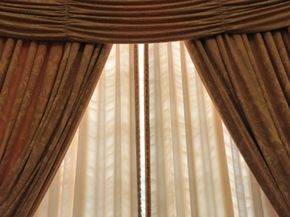
Утеплені штори – це віконні покриття з підкладкою, призначені для запобігання теплообміну. Вікна часто є слабкою ланкою у тепловій оболонці будинку. Взимку тепло йде через них. Влітку воно проникає усередину. Запечатуючи цю щілину, ви стабілізуєте температуру у приміщенні. Вашій системі опалення та кондиціювання не доводиться працювати так інтенсивно. Найменше часу роботи означає менші витрати.
Механіка тепловтрат
Тепло – це енергія. Воно природним чином перетікає з теплих областей у холодні. Якщо ваш будинок втрачає тепло, це відбувається через чотири основні канали: теплопровідність, інфільтрацію, конвекцію та випромінювання. Утеплені штори діють як гальмо для цього руху. Вони не просто гарно виглядають. Вони функціонують як бар’єр.
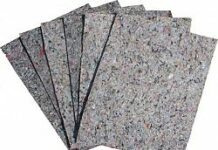
Конструкція цих важких портьєр має значення. Більшість якісних систем використовують багатошаровий підхід. Ви маєте зовнішній декоративний шар тканини. Під ним знаходиться щільна підкладка. Усередині часто знаходиться серцевина із піноматеріалу високої щільності. Цей піноматеріал блокує теплообмін та знижує рівень шуму. У деяких версіях додається відбиваючий пароізоляційний шар для запобігання попаданню вологи. Інші включають плівку, що відбиває, яка відкидає променисте тепло назад в кімнату.
Ці штори ізолюють вікна від зовнішніх умов, створюючи мікроклімат, який знижує навантаження на ваші системи опалення та кондиціювання.
Багато преміальних моделей включають магнітні смуги, вшиті в краї. Ви прикладаєте ці магніти до віконної рами або навколишньої стіни. Це створює герметичність, щільнішу, ніж у стандартної вільно висить тканини. Це запобігає протягам, що просочуються через крихітні зазори.
Догляд простий. Це не делікатні сімейні реліквії. Більшість із них вимагають сухого чищення з використанням м’яких засобів. Поки вони висять, легке чищення пилососом видаляє пил і зберігає свіжість тканини. Зносостійкість залежить від бренду, але, як правило, вони добре витримують щоденне використання.
Вибір стилю віконного покриття
Ви, мабуть, бачили їх у готелях. Типові важкі портьєри, що відсікають світ. Тепер вони стали мейнстрімом для домашнього використання. Ви маєте вибір. Ви можете придбати готові утеплені панелі. Або зробити їх своїми руками.
Тканини та онлайн-посібники надають інструкції щодо виготовлення власних штор. Це дає повний контроль над естетикою. Зовнішній шар може бути будь-яким матеріалом, що відповідає вашому інтер’єру. Утеплення відбувається «за лаштунками».
Якщо ви купуєте фабричні версії, вибір стилів може бути вже. Однак контроль якості часто перевершує. Ви платите за рівномірне нанесення шарів та точну строчку. Бренди різняться, тому дослідження важливі. Пам’ятайте, що ви не прив’язані назавжди. Ви можете перефарбувати утеплені штори пізніше. Просто додайте ще один шар тканини. Це ще просто тканина.
Доступні різноманітні типи жалюзі та штор. Ви можете знайти римські штори. Складки в стилі «хобл» (збираються в складки). Штори-кулі. Класичні штори з боковим складанням. Вони інтегруються з ламбрекенами, віконницями та системами портьєр. Межею є ваша уява та ваші навички шиття.
Розуміння R-значень
Ви можете побачити число, прикріплене до вікон. R-значення. Воно вимірює термічний опір. Вищі числа означають кращу ізоляцію. Висока R-значення підтримує комфорт та ефективність вашого будинку.
Виробники з більш високими значеннями R часто беруть більше. Ось тут утеплені штори сяють. Вони пропонують економічний спосіб підвищити R-значення вікна без заміни скла. Це рішення для модернізації старих будинків. Або для орендарів, які не можуть самостійно модифікувати вікна.
Чому ізоляція важлива
Переваги виходять за межі трохи меншого показання лічильника. Є дві основні переваги.
По-перше, контроль температури. Вікна є основним джерелом тепловтрат або припливу тепла. Утеплені штори підвищують значення R всього віконного блоку. Влітку вони блокують сонячне тепло. Ви менше використовуєте кондиціонер. Взимку вони утримують тепло усередині. Ви знижуєте температуру на термостаті. Оскільки охолодження та електричне опалення є основними факторами витрат, навіть невелике зниження використання накопичується.
По-друге, звукоізоляція. Товсті матеріали поглинають звукові хвилі. Вони запобігають проникненню шуму із двору до вашої оселі. Вони також утримують внутрішні шуми всередині. Це не завадить вам голосно вмикати музику, але пом’якшить вплив на ваших сусідів. Це створює тихіший житловий простір.
Максимальна економія енергії
Те, як ви використовуєте штори, змінює їхній вплив. Стратегія має значення.
Влітку закривайте жалюзі, коли сонце найактивніше. Блокуйте тепло до того, як воно увійде усередину. Це зберігає прохолоду у житлових приміщеннях без включення кондиціонера на повну потужність.
Взимку робіть навпаки. Відкривайте штори вдень, щоб сонячне світло нагрівало вашу підлогу та меблі. Закривайте їх уночі. Утримуйте це накопичене тепло усередині.
Ця проста рутина використовує сонце як безкоштовний обігрівач або ворожого загарбника. Ви контролюєте, ким воно є. Штори – це просто інструмент.
Куди дивитися далі
Якщо ви глибоко загрузли у процесі ремонту, оформлення вікон – лише одна із складових головоломки. Можливо, вам варто заглянути за лаштунки, щоб зрозуміти, як планування насправді визначають потік руху, або вникнути в тонкощі вибору покрівельних матеріалів, перш ніж приймати рішення фасаду. Стільниці з ламінату (Formica) і граніту також заслуговують на пильну увагу, особливо якщо ви зважуєте довговічність проти естетики. Що стосується ванної кімнати, то встановлення склопластикового обрамлення для душу і ванни – це проект, який знаходиться на самому кордоні між самостійним виконанням (DIY) і “можливо, варто найняти професіонала”.
Доказ в ізоляції
Наука, яка стоїть за збереженням тепла (або його блокуванням), це не магія. Це фізика, що базується на захопленому повітрі.
Декілька ключових джерел документують механіку цих теплових бар’єрів. Карен Бенкс докладно розбирає конструкцію утеплених штор, пояснюючи, як шари утримують нерухоме повітря, створюючи буферну зону. Справа не тільки в тому, щоб тканина виглядала тяжкою; головне – у щільності.
Creative Home Decorating Ideas наголошує на економії енергії. Твердження просте: найкращі штори означають нижчі рахунки за комунальні послуги. Семюель Маскарелл із Home Decorating Reviews виступає за послідовність. Він стверджує, що штори, що утеплюють, підтримують стабільну температуру в приміщенні, знижуючи навантаження на систему HVAC. Це практичний зиск, а не просто питання комфорту.
Nothing But Windows розширює список переваг, вказуючи зниження рівня шуму та захист від ультрафіолету як додаткові плюси. Основним драйвером залишається теплове регулювання.
Фактор ковдри
На особливу увагу заслуговує конкретна лінійка продуктів Warm Window System від Solar Components. Вони розглядають віконні покриття як будівельні матеріали. Їхня «Система утеплених жалюзі» по суті стібає вікно.
Документація від Warm Window наголошує на комфорті. Вони продають не просто жалюзі, а вирішення проблеми протягів. «Стібні» елементи спроектовані так, щоб щільно прилягати до рами, запечатуючи зазор. Це проста концепція, реалізована суворо. Якщо ви шукаєте конкретні деталі про те, як запечатати ці краї, ці джерела надають креслення. Логіка бездоганна: припиніть рух повітря – припиніть втрату енергії.