


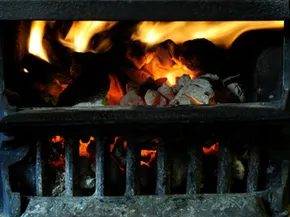
Heating bills are climbing. They aren’t just ticking up a few percent. They are surging. As natural gas and electric rates climb, homeowners are looking for alternatives that don’t break the bank. One answer is making a quiet comeback. It’s the coal stove. Specifically, the anthracite coal stove.
It sounds archaic. Old-fashioned. But for people in Pennsylvania, it’s a practical financial decision. The math is simple. Coal is cheap locally. It burns hot. It burns clean. And if you install the right system, you might actually save money.
The Energy Reality: Why Anthracite?
The United States has plenty of coal. We’re talking about 250 billion tons sitting underground. The US produces a quarter of the world’s supply. That’s a lot of fuel. But not all coal is created equal.
There are four types. Lignite is the lowest grade. It’s inefficient. Subbituminous is better. Bituminous is common. But anthracite? That’s the king.
Anthracite has the highest carbon content. This means it releases more heat per pound. It burns cleaner. Less smoke. Less soot. If you are going to install a coal stove, you will be burning anthracite.
Where do you get it? Mostly Pennsylvania. Over 90 percent of the anthracite between the Atlantic and Pacific Oceans comes from there. It’s called the “Keystone State” for a reason.
This creates a geographic reality. If you live in Pennsylvania, coal is affordable. If you live in California or Florida, the shipping costs kill the savings. The farther you are from the source, the more expensive it gets.
Batch vs. Stoker: Which Coal Stove Fits Your Life?
If you decide to go ahead, you have two main options. Both heat your home. Both use anthracite. But they operate very differently.
The Batch or Hand-Fired Stove
This is the traditional route. You load the coal yourself. It’s hands-on. Much like a wood stove, but with different fuel.
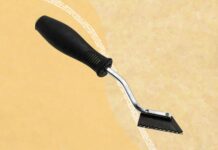
You start the fire. Then you manage it. You need to check on it every 12 hours or so. This isn’t just a glance. You have to rake the coals. You need to be aggressive with the poker. Gentle strokes do nothing. You need quick, rough movements to keep the heat moving.
You also need to empty the ash pan regularly. And you need a chimney. If your house doesn’t have one, you need to build one or install a direct vent system. Chimneys are non-negotiable for batch stoves.
The upside? It works without electricity. If the power goes out during a storm, your hand-fired stove keeps you warm. That’s a significant safety feature in areas prone to blackouts.
The Stoker Coal Stove
Want less work? Go for a stoker.
A stoker system uses a hopper. You fill the hopper with coal. Then you let the machine do the rest. It automatically adds coal to maintain a constant temperature. You hook it up to a thermostat. Set it to 70 degrees. The stove maintains 70 degrees.
You still need to empty the ash pan. But you don’t need to tend the fire. You don’t need to rake coals every few hours. The fire never goes out as long as the hopper is full.
The catch? It needs electricity. The auger that moves the coal requires power. If the grid goes down, your heat stops. For many homeowners, this is a dealbreaker. For others, the convenience is worth the risk.
Efficiency and Maintenance
Modern coal stoves are cleaner than their ancestors. Better combustion means less pollution. They are also more efficient than wooden stoves. You use less fuel to get the same heat.
Maintenance is lower too. No chopping wood. No hauling logs. No dealing with wet firewood. Just bagged anthracite.
The Ash Byproduct
Burn coal? You get ash. But it’s not just waste.
Coal ash is useful. It ends up in tennis rackets. Golf balls. Construction materials. Some call it renewable energy. Others call it industrial recycling. Either way, it’s a byproduct that has value.
The Verdict
If you live in Pennsylvania or nearby, coal is a viable heating option. It’s cheaper. It’s reliable. It’s efficient.
The choice comes down to lifestyle. Do you want total independence from the power grid? Get a hand-fired stove. Do you want set-it-and-forget-it convenience? Get a stoker.
Both options beat rising utility bills. Both options use a resource that’s abundant in your backyard. The question isn’t if it works. The question is which version fits your home.
And if the power goes out tonight? Do you have a backup plan?
Sizing and Placing Your Coal Stove
You can’t just bolt a coal stove to a wall and hope for the best. A bad install means poor ventilation, or worse, your house burning down. Whether you go with a manual hand-fired model or an electric stoker system, this is heavy lifting. Let the pros handle the hardware. Most dealers will install it for you, or they’ll refer you to someone who knows what they’re doing.
Your main job is picking the right unit for the space.
Scale matters. A small stove won’t heat a whole house. Match the BTU output to the square footage you actually want warm. If you get it wrong, you’ll either be shivering or burning through coal like water.
The Chimney Decision
Hand-fired stoves need a chimney. If you already have one, great. Chimneys are expensive to build from scratch—often costing more than the stove itself. Use what’s there.
If you’re starting from zero, you need to find a spot where the flue can run safely through the roof. This isn’t just about physics; it’s about heat retention. You want the stove centered in the room it’s meant to heat, not tucked in a hallway where the warmth vanishes. Your installer can tell you which layout works best for your home’s structure.
Stoker Stoves and Electricity
Stoker stoves are different. They hook into your home’s electrical grid and sync with a thermostat. You still need a venting system, but the thermostat can go anywhere convenient.
Don’t skimp on the venting. If you mess up the draft, you risk carbon monoxide buildup and a fire that chokes on its own fumes. It’s delicate work.
The Bottom Line on Installation
Unless you’re a licensed stove technician, your role is simple: choose the stove. Pick the spot. Walk away.
Let the trained professionals handle the flue lining, the electrical connections, and the safety clearances. Nothing lasts forever, including your patience.
The Coal Reality Check
The U.S. burns through coal fast. We have plenty of it, but not forever. Estimates say we have less than 250 years left at current usage rates.
On average, each U.S. resident uses about 3.8 tons of coal every year. That’s a lot of rock to burn.
Safety First: Detectors and Ash
Coal stoves share the same basic dangers as any open flame. You need a carbon monoxide detector. You need a smoke detector. Place them nearby.
Make sure they are battery-operated. Power outages happen. If the grid goes down, your detectors need to keep working. Check the batteries regularly. Don’t wait for them to die. Replace them on a schedule.
Keep a fire extinguisher close. It seems obvious until you’re holding a burning pot of ash.
Sulfur Dioxide and Coal Types
Burning coal releases sulfur dioxide. This is a big deal for bituminous coal, the kind that creates acid rain by reacting with water vapor in the air. It’s messy. It’s corrosive. It’s bad for the planet and your lungs.
Don’t use bituminous coal indoors.
Use anthracite instead. It’s cleaner. It burns hotter. It’s the only type you should be handling in a residential setting.
Maintenance and Ash Management
Reload hand-fired stoves carefully. Don’t yank the door open. Let oxygen in slowly. A sudden rush of air can cause a flare-up that jumps the grate.
Your chimney needs attention. Coal gases corrode flue liners over time. Schedule a cleaning and inspection at least once a year. If you skip it, creosote builds up. Fires start. Houses burn.
Ash is another issue. Coal leaves more ash than wood. When you clean the ash pan, don’t just dump it outside.
Store the ashes in a fireproof metal container with a tight lid. Keep it away from anything flammable. Ashes stay hot for a long time. Let them cool completely before final disposal.
Why It Matters
The financial footprint of coal is huge. U.S. coal production is worth around $20 billion. It supports over 1 million jobs. The resource adds $161 billion to the economy every year.
That’s a lot of pressure to keep the furnace running.
But when you’re standing in front of a cold stove in January, the macroeconomics don’t warm you up. It’s about whether the seal holds. Whether the flue draws. Whether the ash pan is empty.
You pick the spot. You buy the coal. You watch the gauge. The rest is just waiting for the heat to rise.
Finding Reliable Resources for Coal Stove Installation
You are looking at the raw bibliography, not a guide. If you want to understand the mechanics behind the heat, start with the foundational texts. How Home Floor Plans Work and How Roofing Materials Work explain why your house needs proper ventilation and structural support before you even think about a stove. How Formica Works and How Granite Countertops Work cover the surfaces you’ll likely be working around, ensuring you don’t ruin your kitchen or living room during installation.
For the heavy lifting, look into Installing a Fiberglass Shower and Tub Surrounds. It seems unrelated, but the skills overlap. You are dealing with heat-resistant materials, precise fitting, and safety clearances. The logic is similar: measure twice, cut once, and never compromise on the gap between the heat source and the combustible wall.
The debate between anthracite and bituminous coal is settled in Rachel Batch’s Mining Anthracite and the American Coal Foundation data. You need to know what you are buying. Anthracite burns hot and clean. Bituminous is cheaper but dirtier. Your chimney liner matters more if you choose the latter.
Choosing the Right Hardware
Not all stoves are created equal. Dowling Stoves offers a pragmatic checklist for fitting, which is critical. You need to check your flue size, your hearth clearance, and your local building codes before ordering. Fireplace Capital notes the resurgence of coal stoves, but don’t let nostalgia blind you to the risks. It is an old favorite for a reason, but it requires maintenance.
The specific grades of coal matter. Stoves Online breaks down the types (ranks) of coal. You can’t put just any lump in the firebox. Larger pieces burn slower. Smaller pieces ignite faster. JUCA and NRP provide technical context on combustion efficiency. Online Tips gives basic burning techniques. Read them.
Safety First
This is non-negotiable. NYC gov provides Safety Tips for Coal and Wood Burning Stoves. Carbon monoxide is invisible. It is odorless. It kills. You need a detector. You need a damper that closes when the stove is not in use. Reading Stove Company lists universal home safety tips. Follow them. Podschelne in Hearth magazine walks through the decision process for considering a coal stove. It is a commitment. You are committing to shoveling ash. You are committing to buying fuel in bulk. You are committing to safety checks.
The sources listed here are your starting point. They are not a substitute for a certified installer or a local inspector. Check your region. Check your insurance policy. Then, and only then, begin.