

Winter is fading. The days are getting longer. Yet, there is a strange silence in the garden. Where are the tits? The blackbirds?
Their return isn’t just about hanging fat balls on branches. It requires a strategic move. You have to act now. Specifically, in March.
There is a planting trick that beginners often miss. It acts like a magnet for local wildlife. It isn’t magic. It is simple, grounded gardening logic. Prepare the soil in March to attract birds and wildlife naturally. This guarantees a living spectacle for the coming season.
Why March Is the Critical Window for Biodiversity
The gardener’s calendar offers no wiggle room here. March is the deadline. The ground is thawing. It is waking up from winter torpor. But it remains moist. This moisture allows new roots to settle without the shock of dry heat.
Nature is stirring. The fauna is scouting for nesting spots.
Planting now allows roots to establish before the summer heat hits. For birds, this is a race against time. They need safe zones. They need to know where their resources are. By intervening in March, you send a strong signal. Food and shelter are available here.
Wait until April? Too late. Some species need stable markers at the very start of spring.
The Magic Trio: Blackcurrant, Gooseberry, and Serviceberry
To turn your green space into a bird sanctuary, plant selection matters. Mono-specific hedges offer little to the fauna. Avoid them.
Introduce three fruit-bearing shrubs instead. These are the pillars of garden biodiversity. They provide protection. Nesting sites. Varied food sources.
Here is the trio to prioritize this month:
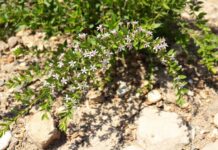
- Blackcurrant (Ribes nigrum) : Dense, fragrant foliage offers perfect hiding spots. Its flowers attract pollinators. This means insects for baby birds. Protein is essential.
- Gooseberry : Unlike common cousins, its thorny branches form a fortress. It keeps predators like cats away. It protects potential nests.
- Serviceberry : This little-known shrub flowers early. It offers precious nectar. The berries are a favorite of blackbirds.
Planting this trio in early March creates a complete ecosystem in year one. These plants are hardy. Economical. Low maintenance. A huge plus for budget-conscious DIYers.
The Technique: North-South Alignment and Mulching
Choosing species is only half the battle. Installation matters more.
To maximize the attraction of a fruit hedge, orientation is key. Aim for a north-south alignment. This ensures even sunlight on both sides of the hedge. It promotes fruit ripening. It thickens the foliage. Dense leaves are essential for concealing nests.
The second factor is soil management. Bare earth is the enemy. Use abundant organic mulch. This is the secret weapon.
Use wood chips. Straw. Dead leaves. Cover the ground completely.
Why does this work? Mulch retains moisture. It reduces watering needs. Most importantly, it stimulates microfauna. Earthworms. Beetles. This living richness attracts blackbirds and thrushes. The branches hold tits.
Beware of chemicals. Banning pesticides is non-negotiable. You cannot offer a healthy habitat if the food supply is toxic.
April Explosion: Life Returns
The results show up fast. With March planting, benefits appear by April.
Garden vitality becomes obvious. Insects swarm around early flowers. They hide in the mulch. This triggers constant activity.
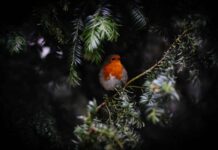
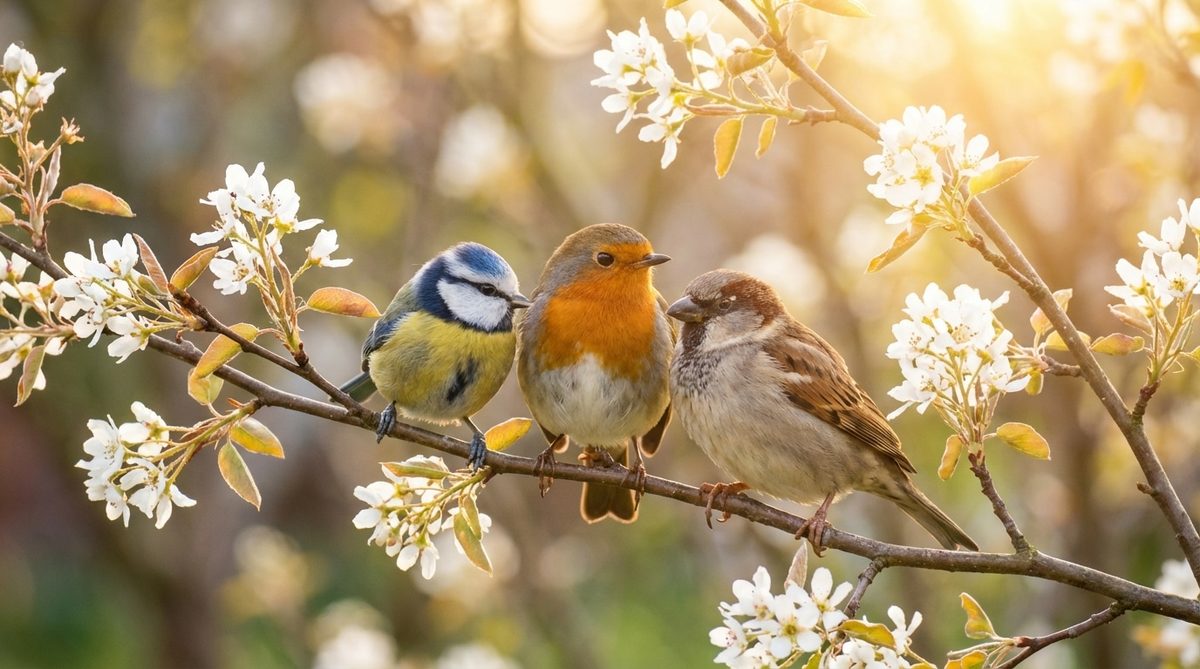
Bird visits increase sharply. Tits meticulously inspect branches for aphids. Robins and Dunnocks dig through the mulch. This dynamism isn’t accidental. Diversifying plant layers without pesticides increases your chances of close-up wildlife observation.
The garden shifts from decorative to alive. This respectful approach proves that three well-chosen, well-placed shrubs restore a key link in the food chain.
Planting this fruit trio in March gives you summer harvests. It gives you the satisfaction of protecting biodiversity. It is a win-win exchange between gardener and nature. It turns every patch of land into a haven.
How many of these precious species will you find space for this weekend?