



The weather forecast predicted a comfortably warm day. You wake up early. Seven a.m. hits, and you rise from bed with a yawn. A quick shower. Brush your teeth. Do some morning exercises. Coffee is brewing. Scrambled eggs and bacon follow. It is enough to get you moving.
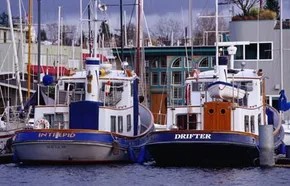
You step outside. The air is fresh. You exit your home onto the starboard side. Walk forward. Admire the rising sun from the bow. You are emerging from your very own houseboat.
It feels romantic. It feels free. But is it practical?
Human civilization has always thrived close to water. Societies crowd along major rivers. They need easy access to travel and trade. We love the sea. Visit a beach in spring or summer. You will see the connection.
But a beach house is still on land. It is not on the water. A houseboat gets you further off land. It offers a different lifestyle.
Is Houseboat Living Right for You?
Houseboat ownership is a small sector of the housing market. The numbers tell the story.
In 2006, there were 12.7 million boats registered in the United States. About 6.9% were registered for commercial use. That is a tiny fraction.
Compare that to land. There were more than 126 million households on land at that time. Houseboating is not common. It is niche.
Living onboard is different. It is not like living in a city. It is not like living in a suburb. The people who do this are “liveaboards.” They make sacrifices. They adapt. They change their daily routines to make life above water work.
Some boats are sleek. Some are expensive. Some are small. Some are modest. The lifestyle varies. But for some, it is the dream.
“Living onboard a houseboat is much different from living in a city or suburb. The people who live in them must make certain sacrifices and lifestyle changes to make living above water work.”
Defining the Vessel
What exactly is a houseboat?
It is not a yacht. A yacht is for recreation. It is for weekend trips. It is not for full-time living.
It is not a pontoon. A pontoon is for stability. It is for floating and fishing. It is not built for residential plumbing or electrical systems.
A houseboat is designed for habitation. It has walls. It has floors. It has windows. It has a bathroom.
But how does a bathroom work on a houseboat?
It is not like your home toilet. You cannot just flush and forget. You need a holding tank. You need a pump-out system. You need to manage waste differently.
The rules are different too. You are on water. Regulations apply. Coast Guard rules may apply. Local marina rules apply. You cannot just drop anchor anywhere.
The Reality of Liveaboards
If you are considering this path, you need to know the details.
The lifestyle is not for everyone. It requires maintenance. It requires vigilance. You are living on a floating vehicle. It moves. It rocks. It leaks if you let it.
But for those who embrace it, the view is worth the hassle. The rising sun from the bow. The sound of water against the hull. The silence of the early morning.
It is a specific kind of freedom.
So, what do you need to know before you commit?
You need to understand the mechanics