

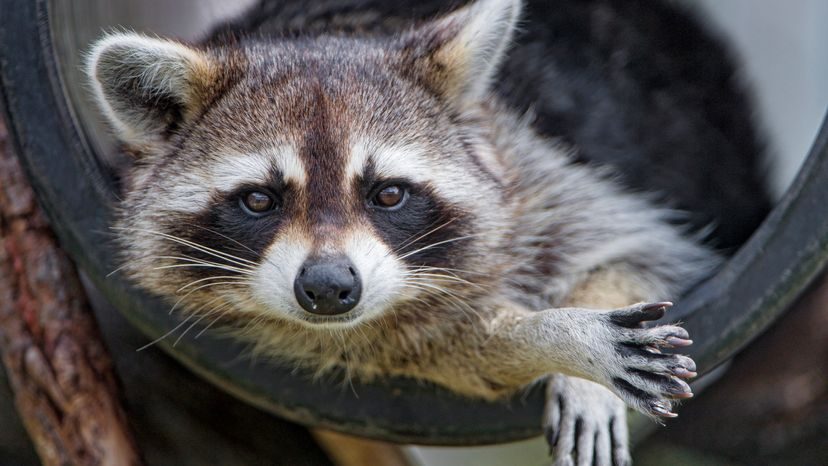
Raccoons are not just cute. They are dexterous, nocturnal, and annoyingly intelligent. You have likely seen the videos of them unlatching gates or prying open trash cans. If you don’t take precautions, they will figure out your house too. They climb structures. They open windows. They treat your property like an all-you-can-eat buffet.
At night, they hang around gardens, dumpsters, and bird feeders. These are all things you probably have. That is a problem. Their destructive behavior can lead to serious damage. If you are dealing with a midnight visitor, you need a raccoon repellent strategy. Not just one trick. A full plan.
What Damage Can Raccoons Cause?
Ignoring a raccoon is not an option. They cause extensive damage. In an attic, they might create a hole in your roof to get in. Once inside, they open air ducts. They break pipes. They remove insulation. And they leave droppings everywhere. Cleaning that up is not fun.
If you have a chicken coop, the damage is even worse. The Connecticut Department of Energy & Environmental Protection notes that raccoons are especially destructive on farms. They feed heavily on crops. They sometimes kill poultry by raiding coops. Even if you don’t have chickens, they will tear up your landscaping.
Animal Repellents to Deter Raccoons
You have options. Many household items raccoons hate can keep them out of your yard and home. But here is the catch. Before you use any repellent, you must close any openings in your house. Check vents. Check windows. Look for loose siding and soffits. If they can get in, no amount of spray will help.
You might also want to build a “floppy-top” wire mesh fence. Or use wire mesh covers for vegetable gardens or ornamental ponds. Secure the perimeter first. Then try these deterrents.
Ammonia
Raccoons hate strong smells. Put a bowl of ammonia in your fireplace to keep them out of the chimney. But do not leave it there forever. Install a cap on the chimney once the raccoons are gone. You can also tie rags into balls and soak them in ammonia. Place these balls where the raccoons are living. Resoak the balls as necessary. The smell drives them away.
Spices
Sprinkle potent spices around your yard. Cinnamon helps. Ground black pepper works too. Ground dried hot pepper is another possibility. These irritate the raccoons’ sense of smell. It encourages them to move to a more hospitable location. It is cheap. It is easy. It might work.
Peppers
You can make a raccoon repellent spray at home. Boil two quarts of water with a tablespoon of cayenne pepper. Add several hot peppers and an onion. Let it cook for 20 minutes. You can add hot sauce for extra kick. Strain the liquid. Spray it around your house, yard, vegetable gardens, plants, and trash cans. You need to reapply this spray every two to three days. And after it rains. It washes away. So stay on top of it.
Sprinklers and Lights
Raccoons are nocturnal. They like darkness. Motion-activated sprinklers or lights can disrupt their routine. Startle them. Make your yard hostile. It is a simple mechanical solution that often works well.
Sound
Try repelling raccoons with a loud radio. But only if your home is not in earshot of other neighbors. Noise can scare them off. It might also annoy your neighbors. Weigh the pros and cons.
Are Raccoons Afraid of Coyotes?
Some people suggest using coyote urine. The theory is simple. Spray the strong scent of predator urine around your property. Raccoons will see it as a threat and stay away. It is a common myth.
It is not true. A recent study by researchers at North Carolina State University found that raccoons did not seem troubled by coyotes. Or deer. On the contrary, they were observed foraging side by side.
“Raccoons do not seem to be vigilant toward coyotes when caught on camera,” said Chris Moorman, a professor at the university’s Department of Forestry and Environmental Resources. “Their activity patterns overlap, all of which indicates that coyotes are not depredating raccoons, meaning they’re not eating said [raccoons].”
So buying coyote urine is a waste of money. Save your cash for ammonia or peppers.
Other Ways to Prevent Raccoons From Damaging Your Property
Repellents may not be very effective if you do not cover all your bases. You need a holistic approach. Secure your home first. Then rid yourself of raccoons.
- Close entry points. Keep raccoons away by closing any openings to attics or other areas of your home. Inspect your roof regularly.
- Properly secure your garbage cans. Raccoons can open garbage bins. Seal them tightly with something like a bungee cord. You can also put your trash out in the morning instead of at night. Less time for them to raid it.
- Cut off food sources. Vegetables and fruits attract raccoons. Make sure you cut them off from food sources. Pick up fallen fruit in your yard. Keep bird feeders clean.
- Pest control. You can also enlist the help of pest control. Look for one that uses a humane trap. It is an option if DIY methods fail.
Raccoons are persistent. They will test your defenses. If you leave a gap, they will take it. Stay vigilant. Check your locks. Secure your trash. Use the repellents consistently. And remember that science says coyotes are not their natural deterrent.
It is a constant battle. You might win a week. Then lose the next. That is just life with wildlife.