



Stop thinking of heat pumps as just fancy heaters. You probably picture a gas furnace when you think of warmth, and a standard AC unit for the sweltering summer months. That separation is outdated. A heat pump does both. It heats your home in winter and cools it in summer. The core question isn’t whether it works. It’s how does a heat pump work in the first place?
The answer is simpler than you think.
A heat pump doesn’t create heat. It moves it. Think of it like a refrigerator running in reverse. It uses a small amount of electricity to shuffle thermal energy from one place to another. In winter, it pulls heat out of the cold outdoor air or the ground and pushes it inside. In summer? It flips the script. It sucks the heat out of your living room and dumps it outside.
If you understand how an air conditioner functions, you already know half the battle. The mechanics are nearly identical. The main difference is the direction of the flow.
This matters for your wallet and the planet. Traditional HVAC systems often require two separate setups—a furnace for heat, an AC for cooling. A heat pump consolidates that into one unit. No burning gas. No combustion. Just moving existing heat. That makes it wildly efficient. You’re not generating energy from scratch; you’re just relocating it.
It’s also greener. Less fuel burned means fewer emissions. But there’s a catch. Heat pumps shine in moderate climates. If you live where temperatures stay reasonable—no extreme arctic winters or scorching desert peaks—you’ll see real savings. Extreme cold can make standard air-source models struggle, but for most of us? It’s a smart swap.
Heat transfer and air-source heat pumps
Let’s get into the guts of it. Most homeowners deal with air-source heat pumps. They’re common for a reason. They’re relatively easy to install if you already have ductwork, and they don’t require digging trenches for ground loops.
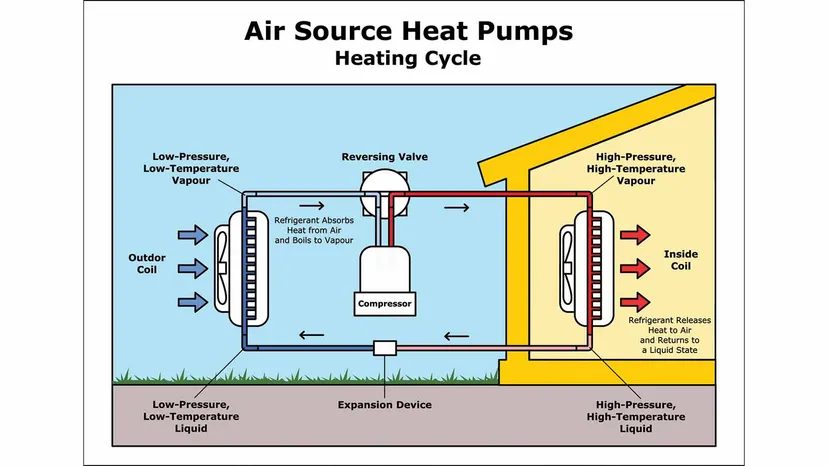
The system relies on a refrigerant. This liquid travels through a circuit. It absorbs heat in one coil and releases it in another.
Here is the basic cycle:
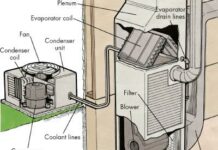
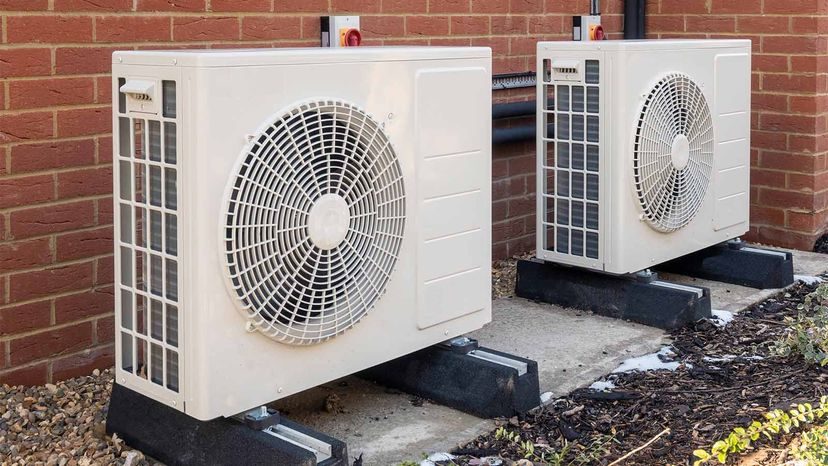
- The Outdoor Unit: This is where the magic starts. The fan pulls in outside air. Even when it’s 30 degrees outside, there is still heat energy in that air. The refrigerant inside the outdoor coil absorbs this heat.
- The Compressor: The refrigerant, now warm, gets pressurized by the compressor. This raises its temperature significantly.
- The Indoor Unit: The hot refrigerant moves inside. It passes through the indoor coil. A fan blows air over this coil, releasing the heat into your home. The refrigerant cools down as it does this.
- The Expansion Valve: The refrigerant drops in pressure and temperature, ready to start the cycle again.
In cooling mode, the valves reverse. The indoor coil becomes the evaporator, pulling heat from your house. The outdoor coil becomes the condenser, dumping that heat outside.
A heat pump is essentially an air conditioner with a changeover valve.
This reversibility is the key. You don’t need two different machines. You just need a system that can flip the flow.
Why does this
How ground-source and absorption systems actually work
Forget the air outside. Sometimes the best source isn’t floating around your HVAC unit. It’s under your feet.
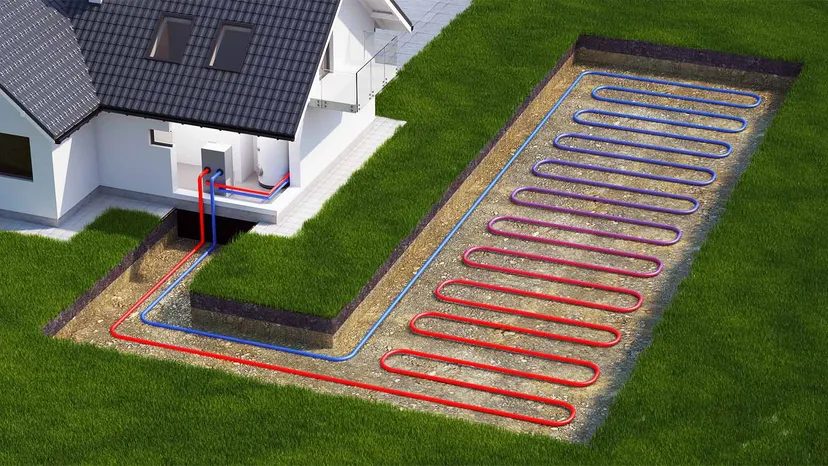
Ground-source heat pumps, also called geothermal systems, tap into the earth. The ground stays at a relatively constant temperature year-round, usually around 50 to 60 degrees Fahrenheit depending on where you live. That stability is gold. Air temps swing wildly. Ground temps don’t care about the weather.
You run a loop of pipes underground. Water or a refrigerant mix circulates through them. In winter, the fluid picks up that steady, low-grade heat from the soil. The heat pump boosts that temperature and pushes it into your house. In summer, you reverse the flow. You dump your home’s waste heat into the ground. The earth absorbs it easily. It’s an infinite heat sink.
Installation is the hurdle. You need trenching equipment or a drill rig. It’s expensive upfront. But the operating costs drop significantly because the temperature differential is smaller than with air-source units. The compressor doesn’t have to work as hard to bridge the gap.
Then there’s the absorption heat pump. These don’t use a mechanical compressor. That’s the loud, energy-hungry part in standard systems. Instead, absorption models use heat to drive the refrigerant cycle. Usually, that heat comes from natural gas, propane, or even waste heat from an industrial process.
The chemistry is different. You have two fluids. A refrigerant, like ammonia or water, and an absorbent, like lithium bromide or water. The absorbent soaks up the vapor. You apply heat to separate them. The refrigerant expands, cools, and absorbs thermal energy from your space. Then it gets absorbed again. The cycle repeats.
Why bother? If you already have cheap natural gas, it might make sense. Or if you have excess heat lying around that would otherwise be wasted. For most homeowners, though, electric compression is simpler. Absorption systems are niche. They’re quiet because there’s no vibrating compressor. But they’re complex. And finding a technician who knows how to fix a lithium bromide solution leak? Good luck.
Most people stick to air-source or ground-source. The physics are simpler. The parts are off-the-shelf. You can troubleshoot a clogged filter or a stuck reversing valve with a multimeter and some manual reading. Absorption units require a different mindset.
Which one fits your home? It depends on your energy sources. Do you have cheap gas? Do you have land for loops? Or do you just want to swap out your old furnace for something that works both ways?
The choice isn’t just about efficiency ratings. It’s about what you have access to. Heat is everywhere. You just need the right tool to move it.
How Split Systems and Packaged Units Handle the Heat
You’ve got the basic mechanics down. Air-source heat pumps pull air over refrigerant coils, swap the heat for the indoors, and blow it around. Simple enough. But the hardware setup? That’s where it gets specific.
Some systems are packaged units. One box. Both coils inside. Usually sits on the roof of a commercial building. Ducts run through the wall. It’s bulky, it’s heavy, and it’s mostly for big spaces.
Most homeowners deal with split systems. Two parts. One outdoor unit. One indoor unit. Connected by lines running through the wall. You might have just one indoor handler, or several if you’re zoning the house. It’s the standard for a reason. It keeps the noisy compressor outside and the quiet air handling inside.
Ground-Source Heat Pumps: Digging for Efficiency
Then there’s the ground-source variety. Also called geothermal heat pumps. They don’t care about the air outside. They pull heat from the earth or underground water.
It sounds fancy, but the plumbing is straightforward.
Closed-loop systems circulate the same water or refrigerant through buried pipes. Round and round. No waste.
Open-loop systems are different. They pump water out of a well or lake. Extract the heat. Dump the water back into the source. Fresh water comes in. Heat gets extracted. Rinse. Repeat.
An open-loop system requires a reliable, abundant water source. If your well dries up, your heat pump stops working.
Closed-loop is safer for the environment. Open-loop is cheaper to install if you have the water rights.
Absorption Heat Pumps: No Electricity Required?
Here’s the weird one. The absorption heat pump.
Standard heat pumps need electricity to compress refrigerant. Absorption pumps don’t. They use natural gas, propane, solar thermal, or geothermal heat.
How? They absorb ammonia into water. A low-power pump pressurizes the mix. The heat source boils the ammonia out. The cycle restarts.
It’s old tech. It’s efficient. And it’s finally trickling down to residential use.
What to look for when buying:
* Coefficient of Performance (COP) matters.
* For heating, aim for a COP above 1.2.
* For cooling, look for above 0.7.
Don’t overthink the math. Just check the number. Higher is better.
Beyond the Big Three
Air-source, ground-source, and absorption cover most bases. But they aren’t universal solutions. Some homes have constraints. Some climates are brutal.
There are other types. Niche ones. Specialized ones. Read on to see if they fit your setup.
Ductless mini-splits and the RCC advantage
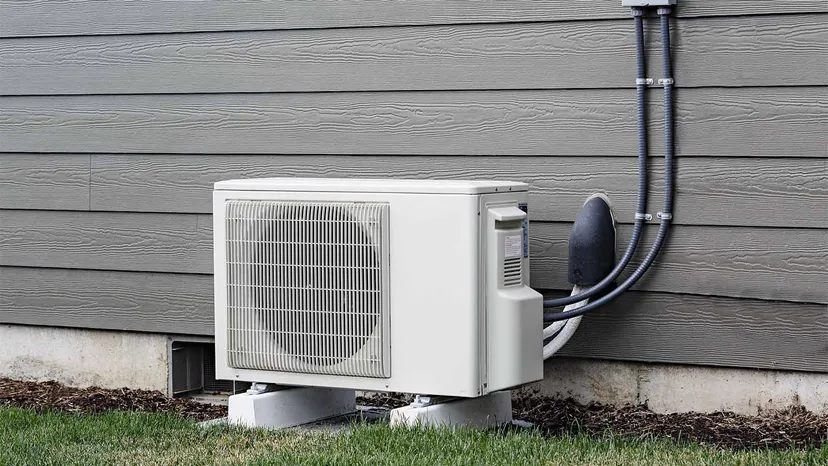
No ducts in your walls? That doesn’t mean you’re stuck with radiators or space heaters. Enter the ductless mini-split heat pump. It’s a retrofit dream. The system pairs an outdoor compressor with multiple indoor air handlers. Those indoor units can be mounted high on walls, tucked into ceilings, or even placed on the floor. They’re small. Unobtrusive. And the installation only requires a 3-inch hole through the wall for the conduit. Clean. Simple.
But there’s a trade-off. Those indoor units take up physical space. You can’t hide them behind a vent cover. And they don’t move air the way a central system does. So if you’ve got a sprawling open-plan living area or a commercial office, a mini-split might struggle to keep up. It’s better suited for smaller zones. Bedrooms. Home offices. Additions.
Then there’s the reverse cycle chiller (RCC). Most heat pumps move air. RCCs move water. The heat pump heats or cools a tank of insulated water. A fan-and-coil system then pushes that conditioned air through your existing ductwork. Or, if you have radiant floors, it pumps hot water right into the tiles.
Imagine bare feet on toasty tile in January. That’s the RCC working.
The real win here is the defrost cycle. Standard air-source heat pumps need backup burners. When the outdoor coil freezes, the system reverses to melt the ice. That sends cold air into your house. Unpleasant. RCC systems use the hot water from the tank to defrost the coils. No backup burner needed. No blasts of winter air. Just consistent warmth.
Cold climate heat pumps and the freezing line
Old school heat pumps hated the cold. Below freezing? Efficiency plummeted. You needed a gas furnace or electric strips to pick up the slack. That’s changing. Cold climate heat pumps are built to operate efficiently even when temps drop below 0 degrees Fahrenheit (-18°C).
How? They modulate. They detect exactly how much energy is needed to hit your thermostat setting. Then they adjust. No short-cycling. No wasted power. They squeeze every bit of heat from the outside air, even when it’s thin.
But physics is still physics. Moving heat from a very cold outdoors to a warm indoors takes more work. There’s less thermal energy available outside in January than in October. The unit has to work harder. Sometimes, even the best cold climate heat pump can’t do it alone. You might still need supplemental heat.
Pros and cons: Is a heat pump right for you?
Let’s talk trade-offs. Heat pumps save money on utilities. They’re efficient. But they have quirks.
The heat feels different. Gas and oil furnaces blast hot air. It’s intense. Immediate. Heat pumps distribute warmth evenly. It’s milder. Some people hate it. They feel a chill. Others love it. No hot spots. No cold corners. Just consistent temperature.
Fewer on-off cycles. A gas furnace kicks on, screams for five minutes, then shuts off. A heat pump runs longer at lower speeds. It’s quieter. More stable. And modern units handle the defrost cycle better. No more cold-air surprises.
The cold climate limitation. If you live somewhere where it’s below freezing for weeks on end, a standard heat pump will struggle. You’ll need a backup. Or a dedicated cold climate model. The latter is pricier. But it works.
What to look for when shopping
Before you buy, think about backup. What happens when the heat pump can’t keep up? Most systems use electric resistance strips. Others tie into an existing oil burner or gas furnace. Check what’s common in your area. Local utilities often have data on cost-effective backup methods. Call them. Ask.
Also consider humidity. Ground-source heat pumps dehumidify better than standard AC units. Their return coils are larger. Flatter. They condition more air. Air-source heat pumps are about the same as a standard AC. If you live in a swampy climate, that matters.
Finally, look at the numbers. Manufacturers rate efficiency with SEER and HSPF.
- SEER (Seasonal Energy Efficiency Ratio) measures cooling efficiency. It’s the ratio of cooling output (in BTUs) to electricity used (in watts).
- HSPF (Heating Seasonal Performance Factor) measures heating efficiency.
Higher numbers mean better efficiency. For SEER, aim for between 14 and 18. Don’t settle for less. It shows up on your electric bill.
Understanding HSPF and Efficiency Features
HSPF stands for Heating Seasonal Performance Factor. It measures the ratio of heat delivered indoors to the energy consumed. It is a messier metric than SEER. The equation accounts for supplemental heating needs. It also factors in the energy burned to defrost the unit. Look for an HSPF rating between 8 and 10. Anything lower might not justify the switch.
Modern units come with tricks to boost that number.
- A desuperheater coil captures waste heat. It warms your domestic water using the pump’s excess capacity.
- Dual-mode compressors adjust speed. They ramp up or down based on actual demand.
- Scroll compressors run quieter. They last longer than older piston types.
These features cost more upfront. They pay you back over time. The pump works less hard. Your bills shrink.
Do Heat Pumps Actually Save Money?
The short answer is yes. The long answer depends on your dirt and your wallet.
Ground-source heat pumps are expensive to install. You have to dig. You need complex heat transfer loops. Rocky terrain makes it pricier. But the ground stays at a constant temperature. That consistency means high efficiency. You save on energy costs year after year.
Air-source pumps are cheaper to install. No digging required. But they fight the weather. In cold climates, they may need supplemental electric heat. That spikes your bill. They are exposed to rain, snow, and ice. That causes wear and tear. Ground units sit safely underground. They avoid the elements. But if a pipe breaks underground, repairs are a nightmare.
Check for tax credits. Many US regions offer rebates for high-efficiency climate control. These can offset the initial cost of parts and labor.
Heat pumps can cut utility bills by 40 percent. Neglect kills that savings. Pick the system for your climate. Install it right. Then maintain it.
Heat Pump Maintenance
You bought the unit. It is running. Now what?
Neglect reduces efficiency. A dirty pump works harder. It costs more to run.
Air-source units need regular cleaning. Coils get clogged with leaves and dirt. Filters trap dust. Change them. Check the outdoor unit for debris. Keep the area clear.
Ground-source systems need less frequent attention. But they require professional checks. Ensure the fluid levels are correct. Inspect the loops for leaks.
Both types need annual inspections. Hire a pro. They check refrigerant levels. They inspect electrical connections. They test safety controls.
A neglected heat pump is just an expensive fan.
Do not skip maintenance. It protects your investment. It keeps the efficiency ratings real.
Troubleshooting weird noises and airflow issues
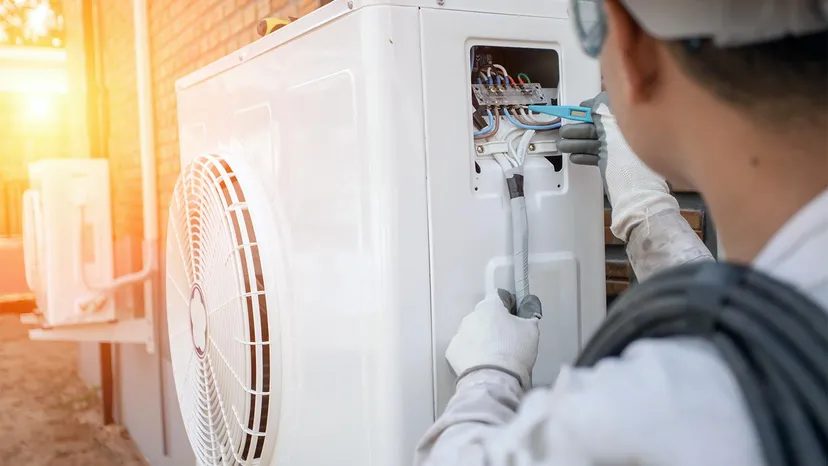
Listen to your house. Heat pumps talk. Low airflow? Leaky ducts? A rattle that sounds like a die cast toy shaking? These are common complaints. Before you call a pro, try to isolate the noise. Is the problem in the ductwork or the unit itself? Is one register weak or are all of them? Pinpointing the source saves money. It also saves time.
Some fixes are straightforward. Others are not. If the unit is silent, check the basics first. Reset the motor. Look for a tripped circuit breaker or a blown fuse. Check the thermostat settings. A dirty filter is the usual suspect for poor airflow, so swap it out. Clear any debris blocking the vents.
Noises need specific attention. Ducts expand and contract with temperature changes. That popping sound? Rubber pads around the ducts can dampen the noise. Rattles often mean loose parts. Tighten them up. Squeaks inside the cabinet usually point to the fan belt connecting the motor to the fan. You might need to adjust or replace it. Grinding is different. That sound means worn motor bearings. Do not touch this. Call a professional.
When to call a professional
Know your limits. If you aren’t mechanically inclined, stay away from the internals. Heat pumps handle hazardous materials. Refrigerant leaks are dangerous. You can injure yourself easily if you tinker with broken components. Safety comes first.
Routine maintenance matters. Change the filter monthly if you run the system often. Every three months is fine for occasional use. Keep the coils and fans clean. Schedule a professional inspection twice a year. Once before heating season. Once before cooling season. This prevents small issues from becoming big bills.
Heat pump lifespan and technology shifts
Expect your unit to last between 10 and 25 years. Maintenance is the biggest factor. Climate plays a role too. Moderate weather extends life. Harsh conditions wear things out faster.
Technology moves fast. Your current pump might outlast the technicians who know how to fix it. New models offer better efficiency. Safer refrigerants. Higher capacity. Keep an eye on the market. You might want to upgrade before your old unit dies.
How heat pumps handle winter and efficiency
Heat pumps work in the cold. They absorb heat from the outside air. Yes, even when it feels freezing. They move that heat inside. This process uses very little electricity. Much cheaper to run than a gas furnace in most cases.
Cooling performance is also strong. Heat pumps heat and cool. Air conditioners only cool. For cooling duties, heat pumps are generally more efficient than standard AC units.
Efficiency drops in extreme cold. Between 25 and 40 degrees Fahrenheit, heat pumps struggle. They use more energy to maintain heat. Below 40 degrees, a traditional furnace often wins on efficiency. Above 40 degrees, the heat pump is the clear winner.
Resetting your system
Sometimes a reboot fixes everything. Here is how to reset a heat pump properly.
- Turn off the thermostat.
- Turn off the heat pump power switch.
- Flip the associated circuit breaker off.
- Wait for the refrigerant to settle. This takes time.
- Use the downtime to clean filters or clear ducts.
- Turn the breaker back on.
- Turn the pump switch on.
- Set the thermostat.
Lifespan expectations
On average, heat pumps last 10 to 25 years. Usage patterns change this number. Maintenance habits change this number. A well-kept unit in a mild climate hits the high end. A neglected unit in a harsh climate hits the low end.