


Який очисник повітря дійсно працює? Правда про якість повітря у приміщенні
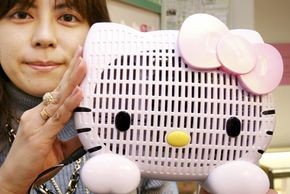
Власники будинків щорічно витрачають на очищувачі повітря, що приголомшують 250 мільйонів доларів. Основними покупцями є люди, які страждають на астму та алергію. Проте ринок переповнений. Тестування показує, що багато пристроїв не приносять жодної користі. Деякі можуть навіть погіршити ситуацію.
Повітря у приміщенні часто буває брудніше, ніж надворі. Чому? Будинок утримує забруднювачі. Вологість сприяє розмноженню плісняви. Цвіль виділяє суперечки. Системи кондиціювання з примусовою подачею повітря циркулюють пил та бактерії через вентиляційні отвори. Домашні тварини линяють. Вони виділяють лупу. Люди, які палять, безпосередньо вносять токсини в повітря. Пилок потрапляє усередину через відкриті вікна. Вона застрягає в килимах. Вона прилипає до оббивки меблів.
Внаслідок цього всередині приміщення накопичується висока концентрація забруднювачів. Для здорової дорослої людини це, як правило, не становить великої проблеми. Для дітей? Не зовсім так. Люди з респіраторними захворюваннями відчувають негайно. Зниження рівня забруднювачів допомагає. Очисники повітря – один із інструментів для досягнення цієї мети. Але який саме?
Нам необхідно розглянути п’ять основних типів очисників повітря, які є сьогодні на ринку. Не всі очищувачі повітря однаково ефективні. Деякі використовують фільтри. Деякі використовують іони. Деякі використовують ультрафіолетове світло. Кожен метод має свої переваги і недоліки. Розуміння технології – це перший крок до чистого повітря. Вам не потрібно гадати. Ви повинні знати, що працює.