




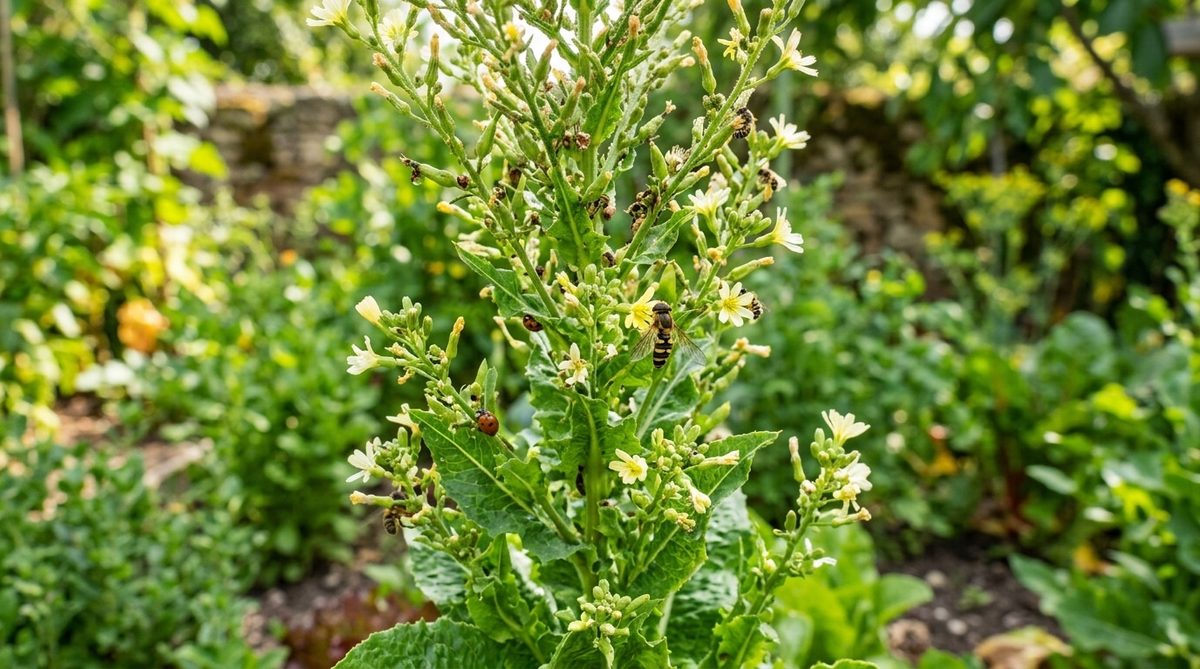
Середина липня. Літня спека невблаганна, і ваш город із овочами має бути у повному розпалі. Ви очікуєте хрумких, прохолодних качанів салату, готових до збирання врожаю. Але потім, проходячи вузькою доріжкою між опорами для томатів, ви помічаєте наступне. Ряди салату, які перестали нарощувати листя та почали випускати високі, тонкі стебла. Вони цвітуть. Вони йдуть у насіння.
Ваша перша реакція може бути панікою. Ви можете подумати, що забули їх полити. Або, що ще гірше, що ви як городник зазнали невдачі.
Зупиніться.
Вам не потрібно вирізати ці рослини. Можливо, навіть не потрібно видаляти насіння, яке обсипається в ґрунт. Дозволення салату стрілкуватися – це не помилка. Це свідома стратегія, використовувана досвідченими growers для захисту решти саду.
Не йдеться про занедбаність ваших культур. Йдеться про роботу “разом” з біологією рослини, а не проти неї. Ось чому залишення кількох рослин салату для цвітіння та відмирання є одним із найрозумніших рішень, які ви можете прийняти у своєму домашньому саду.
Природна боротьба зі шкідниками без хімікатів
Основна причина дозволити салату цвісти не заради насіння. Це заради комах, яких він приваблює.
Коли салат стрілюється, він виготовляє маленькі квіти, часто жовтого або білого кольору. Ці квіти з’являються в кінці сезону, саме тоді, коли багато інших джерел їжі для корисних комах вичерпуються. Цей час має вирішальне значення.
Ці пізні квіти діють як магніт для хижих комах. Зокрема, вони залучають журчалок (сирфідів) та сонечок.
«Дозволяючи цим рослинам цвісти, ви створюєте природний екологічний бар’єр проти попелиці без використання будь-яких хімікатів».
Попелиця – це ворог майже кожного овочевого саду. Вона висмоктує сік із вашої квасолі, ваших троянд і, так, із вашого салату. Вона швидко розмножується. Її важко знищити органічними спреями, коли зараження встановлено.
Але дзюрчалки та сонечка? Вони люблять попелицю. Вони є ненажерливими хижаками. Надаючи постійне джерело їжі (пилок та нектар) цією корисною комахою через квітучий салат, ви по суті наймаєте службу безпеки для свого саду. Комахи обґрунтовуються в квітучому салаті, а потім патрулюють навколишні культури, поїдаючи попелицю, перш ніж вона встигне завдати серйозної шкоди.
Таким чином, ви досягаєте природного управління шкідниками в масштабах. Це потребує нульових витрат. Це не потребує обприскування. Це вимагає лише терпіння, щоб дозволити рослині завершити свій життєвий цикл.
Безкоштовне насіння для майбутніх садів
Друга вигода – фінансова. І практична.
Одна стрілка рослина салату може виробити тисячі крихітного насіння. Якщо дозволити їм впасти на землю, наступної весни можуть з’явитися самосіви. Але якщо ви хочете доцільно підходити до економіки свого садівництва, ви можете зібрати їх.
Зібрати стебла в паперовий пакет і струсити їх над ємністю — все, що потрібно. Це насіння життєздатне. Вони адаптовані до вашого місцевого клімату, тому що були вироблені рослинами, які вижили у ваших конкретних погодних умовах, складі ґрунту та під тиском шкідників.
Купівля пакетиків із насінням у великих магазинах, таких як Jardiland або Leroy Merlin, згодом накопичується у значну суму. Один пакетик коштує кілька євро. Робіть це п’ять, десять, п’ятнадцять років, і економія буде суттєвою.
Одна стрілку рослина може забезпечити достатню кількість насіння, щоб заповнити кілька рядів весняного саду. Ви по суті створюєте резервний запас садивного матеріалу безкоштовно.
Більш витривалі рослини завдяки місцевій адаптації
Існує біологічна перевага у використанні збереженого насіння з власного саду.
Комерційне насіння виведено для широкої адаптивності та тривалого терміну зберігання. Вони не обов’язково виведені для мікроклімату конкретного заднього двору.
Насіння, що дозріло на рослині у вашому саду, вже пройшло природний відбір. Рослина-батько вижила у ваші зими (або літа), ваші посухи та ваші періоди дощів. Насіння, яке воно виробило, несуть ці генетичні риси.
Це призводить до більш рівномірної схожості. Це призводить до появи сильніших саджанців із самого початку. Вони краще пристосовані до перенесення коливань температури, які ви відчуваєте у конкретній зоні.
Це не просто теорія. Домашні садівники, які постійно зберігають своє насіння, послідовно повідомляють, що їхні культури показують найкращі результати рік у рік. Рослини стають енергійнішими.