


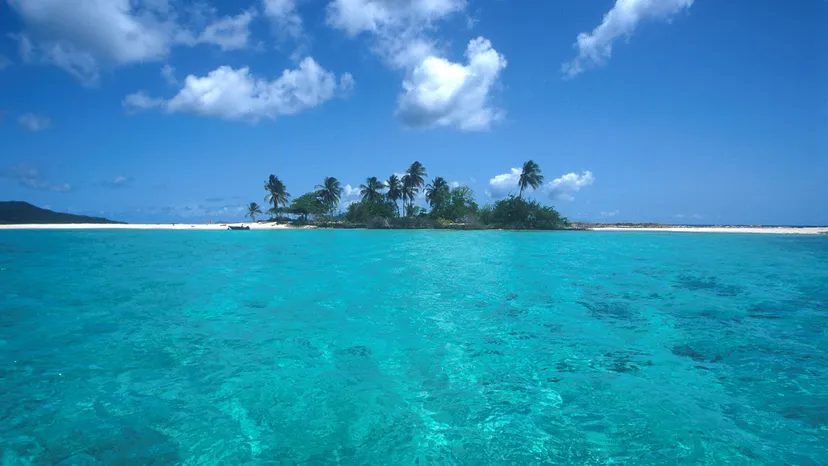
Забудьте про фантазії з таблоїдів: відокремлений атол Марлона Брандо у Французькій Полінезії або грецький притулок Джекі Онассіс. Ідея володіння приватним островом зазвичай викликає думки про втечу мільярдерів та крайню ізоляцію. Сонячний багамський особняк Джонні Деппа виглядає привабливо, безперечно. Але для більшості з нас його цінник є непереборною перешкодою.
Проте мрія зберігається. Можливо, вам пощастило по-великому. Можливо, ви успадкували стан далекого родича, який ніколи з вами не зв’язувався. Або, можливо, вам просто потрібна історія, яка зупиняє розмови на званих вечерях. Якщо ви маєте капітал, наступним практичним питанням стає: з чого почати?
Ринок напрочуд фрагментований. Ви все ще можете знайти невеликі, суворі острови на півночі США або Канади за 500 000 доларів. На Карибах чи у Південно-Тихоокеанському регіоні? Забудьте про це. Очікуйте, що навіть за найменший і найменш придатний для забудови скелястий острівець доведеться викласти щонайменше 1 мільйон доларів. Ці нижчі ціни часто мають свої умови: поганий ґрунт, відсутність прісної води або закони про зонування, що забороняють будівництво. З іншого боку, у нас є такі об’єкти, як Великий Дарбі-Айленд на Багамах. Це 554 акра землі, застарілий замок площею 7000 квадратних футів, виставлений на ринок за 40 мільйонів доларів у 2021 році.
Ось поворотний момент. Найдоступніші приватні острови знаходяться не в тропіках. Вони розташовані на озерах та річках у прохолодніших кліматичних зонах. Пальми та коктейлі з парасольками – це приємна фантазія. Прісна вода та близькість до міста – це реальні потреби. Перш ніж надсилати шестизначну суму, вам потрібно визначити, чого ви насправді хочете.
Визначте свої бажання та бюджет
Купівля приватного острова – це не те саме, що вибір кондомініуму. Це інфраструктурний проект, упакований у покупку способу життя. Вам потрібно бути гранично чесним щодо своєї кінцевої мети.
Ви шукаєте тропічний курорт? Ідеальне місце для риболовлі? Стійку еко-раю? Чи просто тихе місце для збирання сім’ї без спостереження з боку сусідів?
Ці цілі диктують все. Острів для риболовлі вимагає причалів та сховищ для човнів. Еко-рай потребує сонячних панелей та систем компостування. Сімейний будинок вимагає безпечних зон для купання та надійного електропостачання. Якщо ви бажаєте будувати, вам потрібна земля, яка справді придатна для забудови. Якщо ви просто хочете сидіти та насолоджуватися, ви можете зупинитися на меншій, менш доступній ділянці.
Почніть із вашого бюджету. Будьте реалістичні. Ціна в оголошенні – це лише вхідний квиток. Вам необхідно врахувати:
- Витрати на геодезичні дослідження та юридичні послуги: Вам потрібно точно знати, де проходять межі вашої власності. Кордони на островах можуть бути складними.
- Оцінки впливу на навколишнє середовище: Деякі острови є місцями проживання, що охороняються. Будівництво тераси може бути незаконним.
- Вартість інфраструктури: Підведення електроенергії, води та інтернету до віддаленого місця проживання дорого коштує.
- Технічне обслуговування: Дерева ростуть. Солоне повітря викликає корозію. Дахи протікають. Вам потрібний план підтримки порядку.
Як тільки ви визначите суму, подивіться на карту. Північна Канада та північний схід США пропонують доступність. Кариби вимагають значної переплати. Вирішіть, де ви хочете жити, а потім працюйте у зворотному напрямку, щоб зрозуміти, що ви можете собі дозволити. Не дозволяйте мрії засліпити вас перед логістичними реаліями.
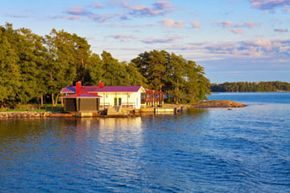
Розташування має значення. Якщо у вас є улюблене місце на карті – місце, куди ви їздили і не хотіли їхати, – ви вже попереду всієї планети. Але якщо ви все ще шукаєте цей ідеальний шматочок географії, спробуйте спочатку «воду». Арендуйте острів на кілька тижнів. Або на місяць. Переконайтеся, що реальність відповідає фантазіям, перш ніж підписувати будь-які документи.
Як тільки ви оберете регіон, почнеться розмова про гроші. Це найскладніша частина.
Реальна вартість володіння островом
Більшість угод вимагають внесок у розмірі 10% тільки для підписання угоди про продаж. Якщо ви не пишете чеки власною кров’ю, вам знадобиться фінансування. Зазвичай це означає іпотеку на велику суму (jumbo mortgage) або приватне кредитування. Стандартні банківські кредити рідко покривають придбання таких унікальних об’єктів нерухомості.
Якщо ви плануєте будівництво, приготуйтеся. Будівництво на острові зазвичай обходиться в 1,5 рази дорожче, ніж аналогічний проект на материку. Чому? Логістика. Кожен молоток, цвях та мішок цементу потрібно доставляти морем.
Якщо ви плануєте побудувати будинок або інші споруди на острові, будьте готові витратити як мінімум у півтора рази більше, ніж ви витратили б на аналогічний проект на материку.
Покупка іноземцями додає ще один рівень складності. Курси валют вагаються. Вони можуть ударити по вашому бюджету на етапі покупки і знову, коли ви платитимете за будівельні матеріали через кілька місяців. Зважайте на цю волатильність у своїх розрахунках.
Інфраструктура: тихий вбивця мрій
Прекрасний вигляд нічого не вартий, якщо ви не можете пити воду. Перш ніж закохатися в ділянку землі, проведіть аудит його комунікацій.
Чи є електрика? На більшості островів немає централізованого електропостачання. Вам доведеться розраховувати на сонячні панелі, вітрогенератори чи генератори. Їх встановлення та обслуговування обходяться недешево.
А як щодо стічних вод? Каналізаційної системи там нема. Вам потрібна система септиків чи встановлення туалетів спалювального типу. А питна вода? Чи є свердловина? Система збирання дощової води? Опріснювальна установка? Це дорогі в установці об’єкти.
Транспорт – ще одна прихована стаття витрат. Як далеко до материка? Як ви доставлятимете продукти? Чи є причал, який зможе прийняти ваш човен цілий рік, чи тільки у спокійні сезони? Шторми не дбають про ваш графік відпустки. Якщо гавань не захищена, ваш човен може постраждати. Або ще гірше, ви можете опинитися в ізоляції.
Існуючі будинки проти необробленої землі
Острів із існуючим будинком має явну перевагу. Попередній власник, швидше за все, вже вирішив складні питання – дозволи, підключення комунікацій, дозволи на будівництво причалу. Так, ви успадкуєте їхні проблеми, але також успадкуєте їх рішення.
Купівля необробленої землі дешевша на старті. Але це також значно більше за роботу. Ви будуєте з нуля. Кожна труба, провід та дорога – ваша відповідальність.
Чи підходить вам такий спосіб життя? Чи це просто дороге хобі? Відповіді криються у деталях.
Що далі?
Ви маєте бюджет. У вас є місце розташування. У вас є чек-лист з інфраструктури. Але є ще юридичні та логістичні перешкоди, які треба подолати. Права власності можуть бути незрозумілими. Зонування сильно відрізняється. Страхування – це кошмар.
Куди рухатись далі? Наступні кроки включають навігацію по бюрократичних перепонах, які не дають більшості покупців будь-коли ступити ногою на їх новий рай.
Навігація по непередбачуваному ринку приватних островів
Ви обрали регіон. Ви вирішили, чи будуватимете об’єкт з нуля, чи відновлюватимете існуючу структуру. Тепер починається найзаплутаніша частина: вибір конкретної ділянки та закриття угоди.
Інтернет – хороша відправна точка. В оголошеннях зазвичай вказано контактну інформацію продавців або їх агентів. Проте ціноутворення залишається «чорною скринькою».
Чому ділянка площею 5 акрів коштує 3,4 мільйона доларів, а сусідній острів площею 10 акрів виставлено на продаж за 1,2 мільйона доларів? Розмір не завжди корелює із ціною. На вартість впливають глибина води, доступність, потенціал забудови та ізольованість, але ці фактори не завжди прозорі.
Потім слідує комісія брокера. У стандартній нерухомості ви очікуєте, що комісія у розмірі 6% буде сплачена продавцем. На ринку приватних островів ця комісія часто вже входить у ціну. Ви можете не знати, чи вказана ціна в 3,4 мільйона доларів комісію брокера в розмірі 500 000 доларів або ви платите її понад цю суму. Різниця між чистою сумою, яку отримує продавець, і валовою сумою, що виплачується покупцем, рідко буває очевидною.
Якщо ви не знаєте місцевий ринок, найміть агента покупця. Людину, яка знає усі місцеві особливості. Якщо ви не можете цього зробити, поговоріть із місцевими жителями. Запитайте у сусідів. Перевірте нішеві видання, які спеціалізуються на ринку приватних островів. Вам потрібний хтось, хто розуміє правові особливості.
Правові особливості та екологічні ризики
У деяких країнах іноземцям повністю заборонено володіти нерухомістю. В інших пропонуються земельні оренди замість права власності (freehold). Якщо ви не розберетеся в цьому питанні правильно, ви не станете власником острова. Ви станете власником шматка паперу, який може нічого не коштувати.
У деяких юрисдикціях немає реєстру deeds (реєстру прав власності). Немає єдиної бази даних. Це ускладнює доказ права власності. Це також відкриває шлях для несумлінних осіб, які можуть продати одну й ту саму землю кільком покупцям. Переконайтеся, що ваш агент ретельно перевіряє історію прав власності.
Екологічні норми – ще одне мінне поле. Нове будівництво може вплинути на місцеву дику природу та морські екосистеми. Вам потрібно знати:
* Чи існують обмеження на рибалку чи керування човнами?
* Які дозволи потрібні для будівництва?
* Чи можна використовувати важку техніку?
* Чи захищені ви від екологічних порушень з боку сусідів?
Проведіть ретельне дослідження. Або заплатіть комусь, щоб він зробив це за вас. Ігнорування цих деталей може перетворити вашу мрію на юридичний кошмар.
Реальні витрати та володіння
Хто насправді володіє цими місцями? Джонні Депп володіє островом із сонячними панелями в Багамських островах (зовнішні острови). Марлон Брандо жив на самоті на атоле у Французькій Полінезії. Жаклін Кеннеді Онассіс часто відвідувала острів Скорпіос у Греції, який належав її чоловікові Аристотелю.
Але ви купуєте не їхній спосіб життя. Ви купуєте землю. І вартість землі сильно варіюється.
Скільки коштує купити приватний острів?
Це залежить від розташування та ступеня забудови. Невелика незабудована ділянка може коштувати від 500 000 доларів. Великий острів Дарбі з його замком площею 7000 квадратних футів та білими піщаними пляжами у 2021 році був виставлений на продаж за 40 мільйонів доларів.
У Карибському басейні та Південній Пацифікі ціни на початкові рівні зазвичай починаються від 1 мільйона доларів та вище. Якщо ви шукаєте найдешевший варіант, дивіться на північ. Невеликі острови в США або Канаді все ще можна знайти за 500 000 доларів.
Чи можна купити приватний острів?
Так. Але вам потрібний грошовий потік. Зазвичай вам потрібно буде внести депозит у розмірі 10%, щоб укласти угоду про продаж. Решта вимагає фінансування з іпотеки jumbo або приватних інвестицій. Традиційні житлові кредити рідко покривають купівлю приватних островів. Процес андеррайтингу суворіший. Забезпечення важче ліквідувати.
Ринок непрозорий. Ціни довільні. Правові ризики є реальними. Але для деяких ізоляція вартує цих труднощів. Просто не подумайте, що ціна в оголошенні є остаточною. І не подумайте, що земля належить вам, поки документи не будуть підписані, перевірені та зареєстровані.