



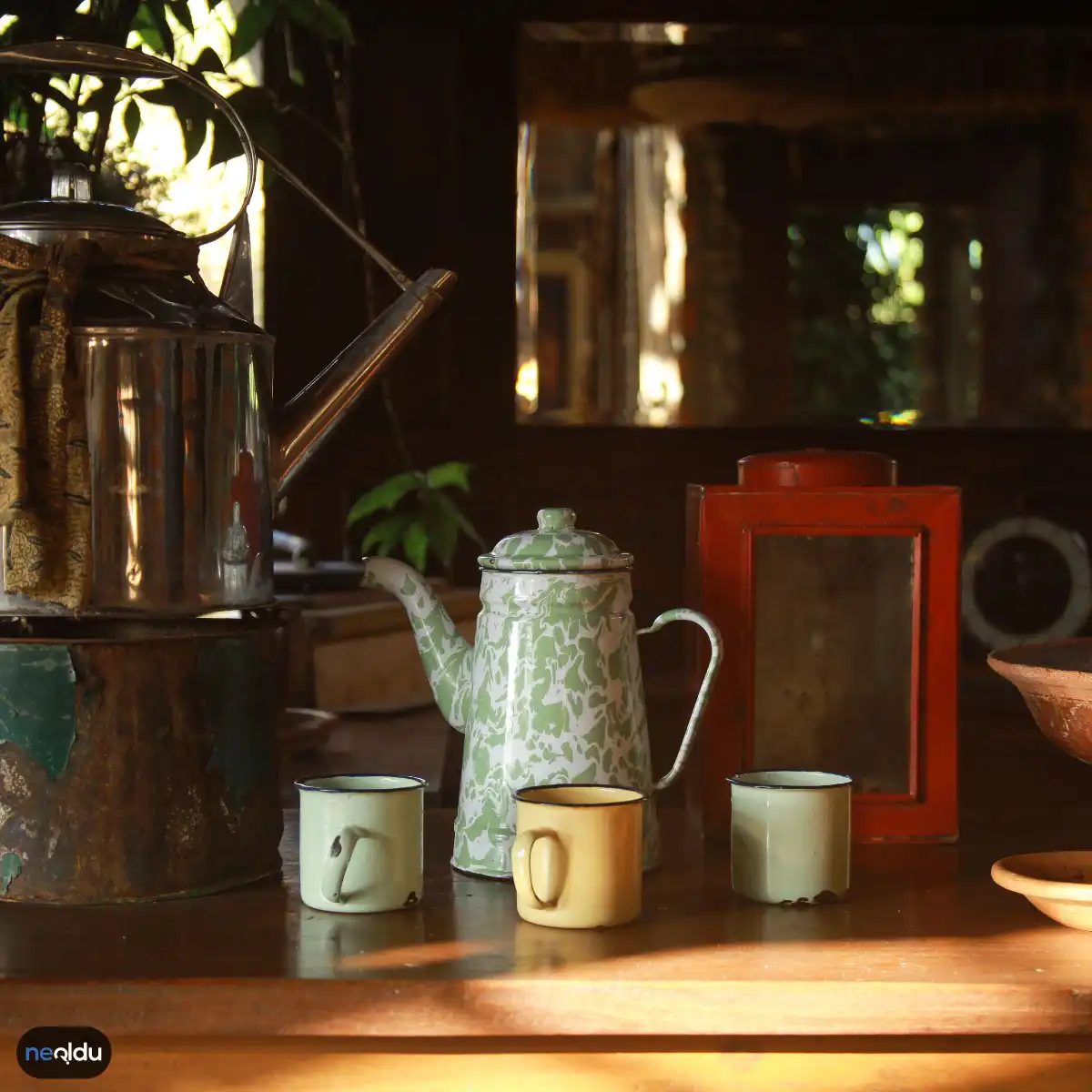
Antiques are not just old items. They are rare and priceless artifacts that bear traces of the past, often dating back hundreds or even thousands of years. Not just any old pottery is an antique. The definition is clear. For something to be an antique, it must meet certain age and rarity criteria.
However, the problem is that today, as forgery and fraud have become common, it has become very difficult to distinguish real antiques from fake ones. Many pieces circulating on the market are copies processed with modern techniques. That’s why the question “how to recognize a real antique” is vital not only for enthusiasts but also for investors.
What is an Antique?
Let’s clarify the basic concept first. Antiques are objects with historical value that have survived from the past to the present. It usually reflects handcraftsmanship, rare materials or the aesthetic characteristics of a particular period. Any grandmother’s vintage vase is not considered an antique if it has no historical or artistic value. It is intended to be considered an antique just because it is “old”. This is a common misconception.
A true antique meets most or all of the following criteria:
- Be within a certain age range (usually 100+ years)
- Handmade or produced with contemporary techniques
- It has historical or artistic importance
- It is rare or has a special history
Things that do not meet these criteria are simply modern items produced in a vintage or antique style. Making this distinction in marketplaces is the first step to avoid making the wrong investment.
Why authenticating antiques is harder than it looks
The antique market is a minefield. You might want an 18th century chair or a chipped Roman coin, but the risk of walking away with a carefully crafted fake is real. A high value means a high incentive to fake. Scammers know you’re looking for history, not just artifacts. They rely on your lack of expertise. So how can you tell the difference between the real thing and a modern imitation?
Please ignore this story first. Sellers like to make up stories about where their products were found. “It was in my grandmother’s attic” or “It was dug up in Italy” are empty promises without proof. There are no receipts in history. Look at the item itself. Documents tell the truth before the salesperson speaks.
Check material and condition
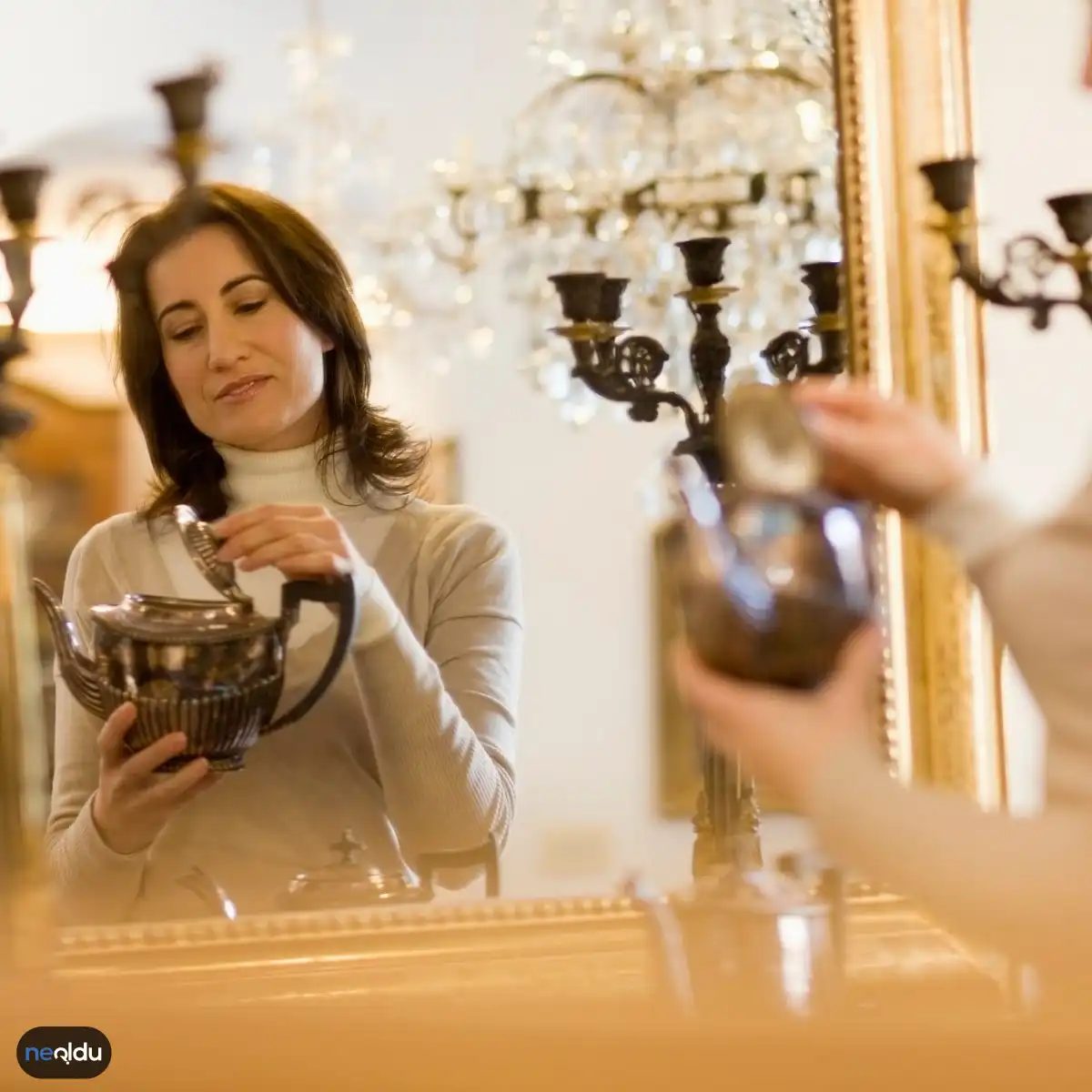
Real age leaves its mark. Check the metal for patina. It shouldn’t look painted. It should be deep, uneven and blend into the surface. If the wear appears uniform, it is likely human-caused. Check the wood for natural cracks or shrinkage. Fresh wood does not shape the same way. It has no weight of centuries.
Porcelain and glass each have their own secrets. Look at the bottom. Genuine pieces often have marks and irregularities due to the manufacturing process of the era. A completely smooth bottom is questionable. This suggests using modern molds. Also check the glaze. The crack pattern should be random and deep. False cracks often stop at the surface or look too uniform.
The tools you really need
No laboratory required. Requires an eye and basic knowledge.
- Magnifying glass or magnifying glass (standard 10x).
- Black light (UV light). Some substances fluoresce differently. Modern adhesives and paints often glow in UV light.
–Magnet. Not all metals are magnetic, but magnetism identifies steel.
–White light source. Natural light is the best. Fluorescent lamps hide the details.
Spot red flags
The new item stands out. It is very beautiful. If something feels too perfect and doesn’t fit its time, walk away. Antiques often have stains. It’s not just dirt. This is oxidation. It is a residue left over from burial or storage. A quick cleaning can reveal the true composition underneath.
Check Change. The chair may have new legs installed. The vase can have a new handle. The parts may be old, but the whole is not. Check the joints. Old techniques differ. A technique is used that is no longer common. Pencils must be cut by hand. They committed a minor infraction. A machine-cut dovetail is perfect. They are very consistent.
Paper and documents
When you work with paper, ink and books, the rules change a little. I’m looking for a foxing. These are small brown spots. They age naturally. The forged foxing looks painted. This is too standard. Check the thickness and texture of the paper. Rag paper is usually made from rags. It feels different. Contains plant fibres. Modern paper is smooth and contains a lot of chemicals.
Ink penetration is also important. The old ink has been absorbed into the paper fibers. Modern ink sits on top. Use a magnifying glass. look at the edge
What Do Measurements and Ratios Tell?
There’s a rule about handmade items: perfection is usually machine work. The first place you should stop when buying real antiques should be measurements. Today’s standards were different from those of the past. Check if the dimensions of an antique are compatible with the construction techniques of that period. Also, compared to similar parts. Difference is normal. It is doubtful that they are all the same size.
Accuracy Hidden in Workmanship Details
You can feel a piece of work bearing the imprint of your hand from your fingertips. Real antiques are generally handcrafted. This can sometimes cause it to be imperfect. A piece that looks too perfect and has no flaws may be a fake. However, facts involve human contact. The quality of workmanship also determines the life of the material.
Material Selection and Weight Feeling
Material control is an indispensable step. Real antiques are made of valuable materials at the time they were made. Wood, metal, ceramic… Whichever it is, originality must be felt. Counterfeits often use lighter or cheaper alternatives. So pay attention to its weight and texture.
Signature and Stamp Fraud
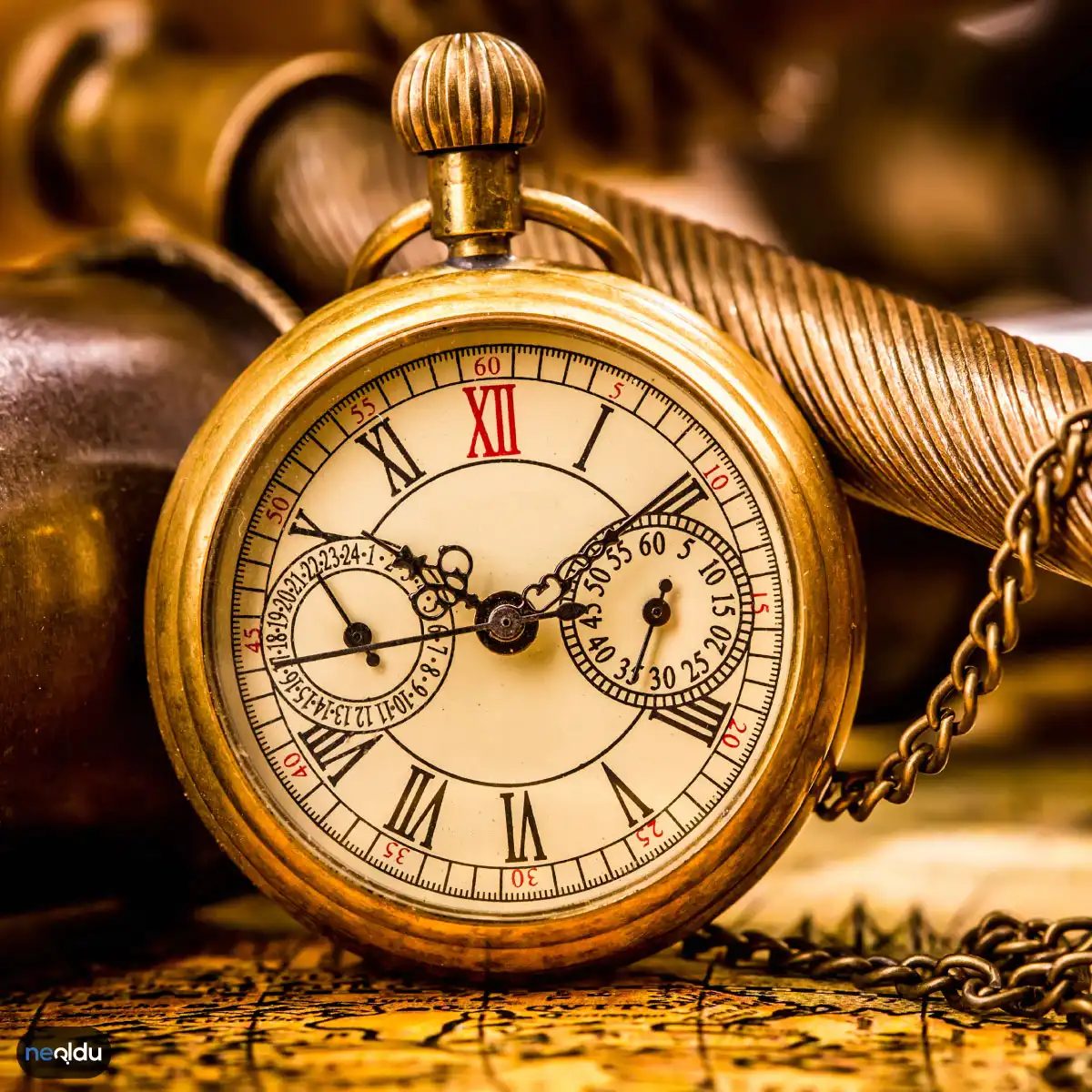
The first thing to look for when buying an antique is the signatures and stamps on the object. These seem to be the strongest clues proving the origin and history of the work. They can be misleading. Nowadays, high-tech printing techniques and expertly made fake seals are circulating in the market. It is not enough to rely only on the eye to determine whether a signature is original or not. You need to look carefully at their depth, wear patterns, and ink penetration. The difference between the seal molds of ancient times and modern imitations is hidden in fine details.
Natural Grid of Patina
Patina is the natural aging marks on the surface. Whether metal, wood or ceramic, the traces of time accumulate, creating a unique texture and hue. This layer is a strong indicator that increases the likelihood that the artifact really comes from the past. However, not every patina is real. There are fake patinas that can be imitated in seconds through chemical reactions. While true patina spreads consistently throughout the object; The fake one is often artificial, homogeneous, or in the wrong places (excessive in the outer corners, deficient in the inner parts).
Seller History and Background
The person who sells it is as important as the work itself. It is essential to research the seller’s background, area of expertise, and previous sales experience. Even if it’s an antician you trust, you should back off when in doubt. If the seller doesn’t remember the history of the item, its whereabouts, or previous owners, or gives vague answers, that’s a big red flag. Sellers who know the details will answer your questions with clear and consistent answers.
Things to Consider When Buying Antiques
By combining these checkpoints, you can have a healthier antique experience.
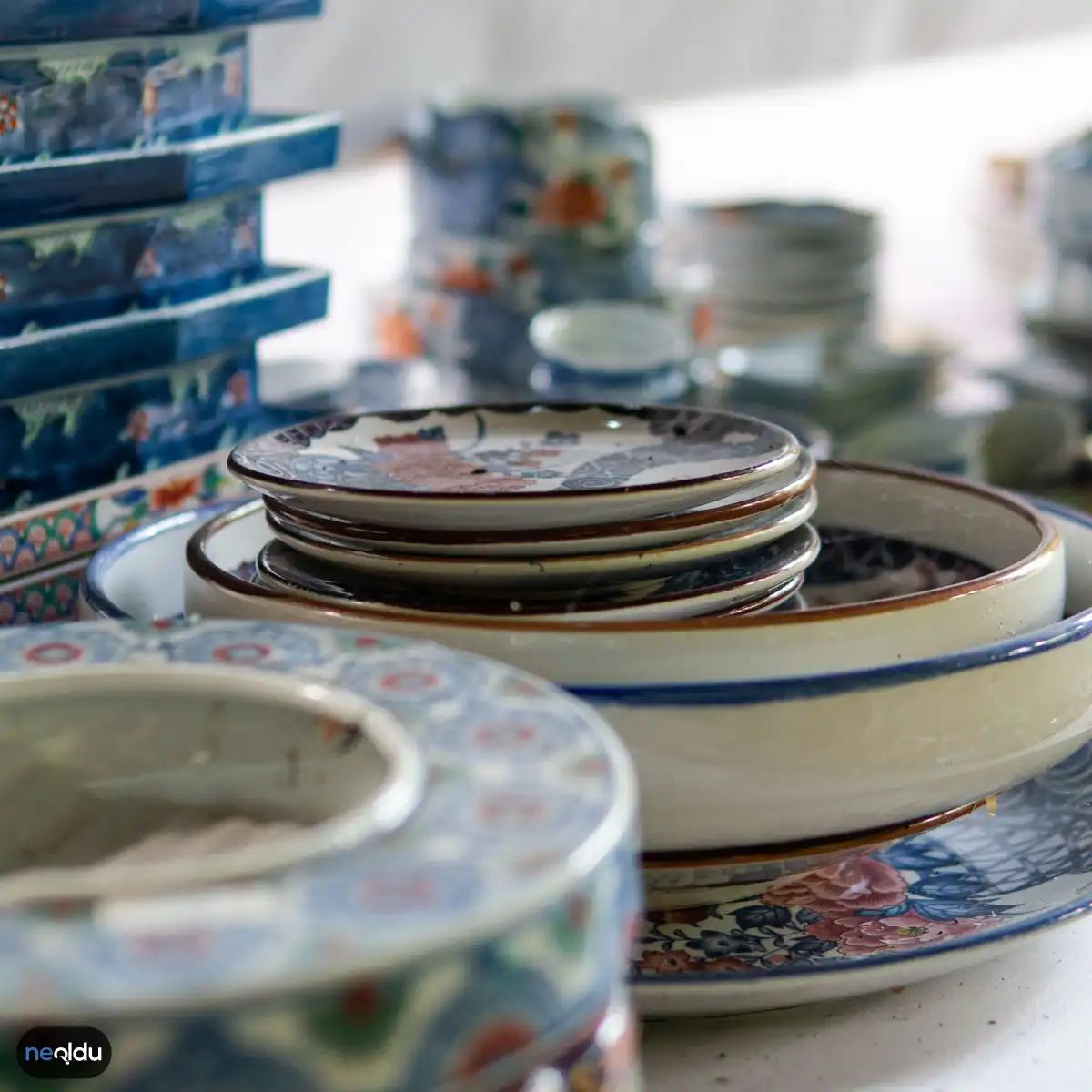
Set Fair Prices and Trust the Seller
When you enter the world of street food, protecting your budget is the most critical step. When choosing between fast-cooking, delicious and affordable options, do not fall into the misconception that “cheapest” is always “best”. However, you should not burn a hole in your pocket by spending unnecessary luxury. Determine your budget, then look for the most satisfying and high-quality street flavors within that budget. When you establish this balance, you will both feed your stomach and protect your wallet.
Choosing reliable sellers is the second key to maintaining this balance. You will be familiar with the cleaning standards and food preparation processes of these businesses with which you communicate face to face. Stay away from unknown, unheard of or questionable stalls. Reliable businesses generally offer consistent quality. Read customer reviews, get advice. A taste is not hidden in the stall, but in the quality.
Think of the Future of Taste
When buying a street food, consider not only the current taste but also the energy that that food will give you. Some quick alternatives that are overly fatty, overly spicy, or contain canned foods may be tasteless in the short term but costly to your health in the long term. It would be a wiser investment to choose options that use fresh ingredients and are cooked in season.
Fast and Delicious Choices
- Turkish Delight Dessert: Hot, buttery and walnut. It should be eaten immediately.
- Stuffed Midye: Served with lemon. A distinguished countertop is a must for cleaning.
- Bagel: It must be fresh. It can be accompanied with raw meatballs.
- Kokoreç: It requires a special passion. Ayran is a must on the side.
- Toastmaker: Simple but satisfying. Choose places that know what they put into it.
Frequently Asked Questions
Which is the most economical choice in street food?
Generally, basic protein and carbohydrate sources such as bagels, toast or döner are more affordable than other special meals. However, the price is proportional to the quality.
How to understand hygiene in street food?
The first signs are that the seller uses gloves, the food is not left exposed and the counter looks clean. Customer density is also an indicator of a fresh and fast flow.
Which street food is healthier?
Generally, grilled varieties (chicken skewers, meatballs) and vegetable options are lighter and healthier than fried ones.
When is the best time to eat street food?
Evening and midnight are the times when the busiest and freshest flavors are served. During lunch, speed and accessibility are at the forefront.
Why are street foods so popular?
They appeal to all segments of society thanks to their fast service, affordable prices and strong flavor profiles. They create a cultural bond.
After all, street delicacies are not just a method of satisfying hunger, they are small stories that capture the pulse of that city or neighborhood. Which stall you stop at depends on the flavor of the day and the spirit of the moment.