
You are at a party. Someone leans in close. The ash from their cigarette drifts and lands on your shirt. It’s not a disaster, but it is annoying. Nicotine stains are persistent. They turn yellow or brown and they smell. You do not need to panic. You do not need to throw the item away.
The first step is to identify what you are cleaning. Tobacco residue behaves differently on silk than it does on concrete. Using the wrong cleaner can set the stain or damage the material. Here is how to tackle the most common surfaces.
Non-Washable Fibers and Delicates
Acetate, fiberglass, rayon, and triacetate are tricky. They cannot take a beating in the wash. You need to be gentle but thorough.
Start by sponging the stain with water. Move outward from the center. Do not rub inward. This keeps the stain from spreading. Apply a wet spotter and a few drops of white vinegar. Cover the area with an absorbent pad dampened with that wet spotter. Let it sit. The pad will pull the nicotine out of the fiber.
Keep both the stain and the pad moist. When the pad stops picking up color, flush the area with water. Repeat until the water runs clear.
Washable Synthetics
Acrylic, nylon, polyester, and spandex can handle a soak. Mix one quart of warm water with half a teaspoon of liquid detergent and one tablespoon of white vinegar. Let the stain sit in this solution for fifteen minutes.
Rinse with plain water. If a shadow remains, sponge the area with rubbing alcohol. Rinse again. Dry it and put it in the laundry immediately. Do not let the stain air dry completely before washing.
Hard Surfaces and Vinyl
This category covers a lot of ground. Aluminum, brass, ceramic tile, glass, stainless steel, vinyl wallcovering, and even painted walls.
For most of these, warm sudsy water is enough. Dip a cloth or sponge in soapy water. Wipe the surface. Rinse well. Wipe dry.
If you have vinyl clothing or tile, the same rule applies. Warm water and soap. No harsh abrasives unless necessary.
Stone and Masonry
Natural stone like marble and alabaster is porous. It drinks up stains. Washing soda and water is your friend here. Wipe the surface with this solution. Rinse and dry.
If the stain persists on marble, you have to get stronger. Mix a few drops of ammonia with one cup of 3% hydrogen peroxide. Soak a white blotter in this mixture. Place it over the stain. Weigh it down with a piece of glass or something heavy.
Let it sit. The solution will bleach the stain out. Apply more solution as needed until the discoloration disappears.
For brick, concrete, granite, slate, and other masonry, the process is similar. Mix washing soda and water. Gently brush the stain with a soft-bristled brush. Rinse with clear water and let it dry.
Delicate Fabrics: Silk, Wool, and Burlap
Silk and wool are protein fibers. They require care similar to non-washable fibers. Sponge with water first. If the stain stays, add a wet spotter and white vinegar.
Cover with an absorbent pad. Let it work. Change the pad as it absorbs the stain. Keep the area moist. Flush with water.
If color remains, check for colorfastness first. Then apply rubbing alcohol. Cover with an alcohol-dampened pad. Let it stand until the stain lifts. Flush with water again.
Carpets and Foam Rubber
Carpet stains can be stubborn because the nicotine sinks deep into the fibers and padding. Mix one quart of warm water with half a teaspoon of liquid detergent and one tablespoon of white vinegar.
Sponge the area with this solution. Blot with a clean pad. Rinse well with water. You want to remove all soap residue to prevent future dirt attraction.
Cotton and Linen
These natural fibers are forgiving. Soak the stain in a solution of one quart warm water and half a teaspoon of liquid detergent for fifteen minutes.
Rinse well. Sponge the area with rubbing alcohol. Rinse again. Allow to dry.
Special Surfaces: Wood, Felt, and Fur
Wood, felt, and fur need a specific approach. Mix dishwashing detergent in hot water to create a thick lather. You only want to use the foam. Dip a cloth into the foam and apply it to the surface.
Rinse with a cloth moistened with clear water. Let felt and fur air dry. For wood, wipe dry with a clean cloth and then wax or polish.
Leather and Suede
Leather and suede are sensitive to water and harsh chemicals. Mix mild soap in lukewarm water. Swish it to create suds.
Apply only the foam with a sponge. Avoid soaking the material. Rinse with a cloth moistened in clear water. Wipe dry with a clean cloth.
Porcelain and Fixtures
Dishes and bathroom fixtures are generally easy to clean. Wash in warm sudsy water. Wipe with a soapy cloth. Rinse and dry.
For stubborn stains on porcelain, dampen a cloth and dip it into baking soda. The mild abrasive nature of baking soda helps lift the nicotine without scratching the glaze. Wipe away the stain. Rinse and dry with a clean cloth.
Silver requires a different polish, but for now, these methods cover the majority of household items. If you have a large stain on a delicate antique, consider a professional cleaner. But for everyday messes? You have the tools.
Keeping Silver Bright
Silver needs a bit more care than just a quick wipe. Start by washing the item in hot soapy water. This lifts the tobacco grime without scratching the metal. Rinse thoroughly in hot water to remove all soap residue. Dry it immediately with a soft cloth. Leaving silver wet invites tarnish. You want that mirror finish back, not a dull gray film.
Dealing with Ash Residue
Ash is deceptively tricky. It looks harmless until it gets wet.
How to Clean Patio Furniture Stains
Patio furniture takes a beating. If ash lands on it, don’t just brush it off aggressively. You might grind it into the pores of the material. Instead, mix one tablespoon of liquid dishwashing detergent with two cups of water. Let the solution sit for a few minutes to break down the residue.
Use a clean cloth to dab the stain. Do not rub. You want the solution to absorb the ash, not smear it across the surface. Once the stain is gone, wipe the area clean with a sponge. Rinse if necessary.
Cleaning Hard Surfaces
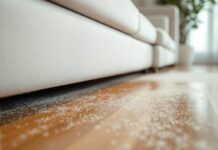
Dried ash on floors or counters is easier than you think. Sweep it up first. Wet ash is heavy and messy. Dry ash is light and floats.
After sweeping, mop the area with a wet cloth. The moisture lifts the fine particles that the broom missed. A quick pass is usually enough. No heavy-duty chemicals required. Just soap and water.
Why You Should Never Hose Off Your Car
Here is where people make expensive mistakes. You see ash on your car after a wildfire or a storm. Your instinct is to hose it off. Do not do this.
When ash mixes with water, it forms a corrosive substance. This mixture attacks your car’s clear coat and paint. The result is permanent damage. You are essentially washing acid onto your vehicle.
Preventing Paint Damage
The American Automobile Association warns that ash contains potassium and calcium. These are not benign elements. When they hit moisture, they become aggressive. They etch into the paint.
If your car is covered in ash, sweep it off first. Use a soft broom or a thick cloth. Lift the ash away from the surface. Do not drag it. Once the bulk of the ash is gone, you can wash the car properly with car shampoo. But never start with a hose.