


That moment when a guest knocks over a glass of Merlot onto your beige carpet is a specific kind of panic. The liquid spreads. The red blooms. There are apologies flying and too many people reaching for paper towels that do absolutely nothing. You’re scrubbing before the stain sets, hoping for a miracle that usually doesn’t happen.
Daily life doesn’t care about your carpet’s pristine condition. Kids track in mud. Pets have accidents. Shoes leave dark marks. You end up scrubbing for hours, only to stare at a faint, ghostly outline where the stain used to be. It’s exhausting.
If your floors take a beating, stain-resistant carpet might be the practical fix you’ve been looking for. No carpet is truly stain-proof. Nothing is. But stain-resistant options change the game by making cleanup fast and effective. You remove the mess before it bonds to the fibers.
Here is the reality check. Some fibers naturally repel liquids. Nylon, for instance, is less absorbent than wool. But when you see a label saying “stain-resistant,” that is usually a chemical treatment. A coating is applied to the carpet during manufacturing. This layer creates a barrier. Dirt sits on top. Liquids bead up. They don’t sink in.
This isn’t magic. It’s surface chemistry. Understanding how these coatings work helps you choose the right product and maintain it correctly. If you treat a treated carpet like a regular one, you’ll void the benefits. Let’s look at the actual technology behind the claim.
The Science Behind the Shield
The most common type of stain-resistant carpet uses a fluoropolymer coating. Think of Teflon for your pants, but woven into the floor. This chemical finish lowers the surface energy of the fiber. Water and oil-based stains struggle to adhere. They slide off or can be blotted away easily.
However, this technology has evolved. Older treatments used harsh chemicals that people worried about indoor air quality. Newer versions are more environmentally friendly. They still repel stains but with safer formulations. When you buy a new roll, check the label for terms like “eco-friendly stain protection” or specific brand names like Scotchgard or SmartStrand.
Why does this matter for your wallet and health? Because the coating wears down over time. Vacuuming, foot traffic, and cleaning degrade the chemical layer. Eventually, the carpet behaves like normal carpet again. You might need to re-treat it. Or replace it. Knowing this helps you budget for maintenance, not just the initial purchase.
Types of Fibers and Their Natural Resistance
Not all stain resistance comes from a chemical spray. The base fiber matters.
- Polyester: Naturally stain-resistant. It repels water-based stains well. It’s soft and comes in many colors. It doesn’t handle oil-based stains as well as treated nylon.
- Nylon: The workhorse. By itself, it absorbs stains easily. But when treated with a stain-resistant finish, it becomes the gold standard. It’s durable and resilient. Most high-end residential carpets are treated nylon.
- Wool: Naturally resistant to water-based stains. It absorbs oil. It’s luxurious but expensive and requires professional cleaning. It doesn’t usually get a chemical stain guard because the natural oils provide some protection.
Nylon dominates the U.S. flooring market for a reason. It accounts for half of all carpet sales. The material wins because it bounces back from foot traffic. It resists abrasion. It fights mildew. But raw nylon needs help. That is where the chemistry comes in.
Manufacturers don’t just weave fibers. They coat them. Every major brand uses its own proprietary blend of chemicals. These treatments lock in strain resistance. They create a barrier against stains. The application method varies. Some companies infuse the fiber with chemicals before it ever hits the tufting mill. Others apply the solution on-site, right after the weaving is done. The result is the same: a surface that fights dirt.
What Stain Resistance Actually Means
Stain-resistant nylon is impermeable to more than just coffee rings. It holds up against juice spills, pet accidents, ink bleeds, rust, and even shoe polish. The coating repels these substances. It gives you time to act.
But it is not magic. It is a chemical shield. And like any shield, it can be compromised if you treat it wrong.
Cleaning Without Destroying the Coating
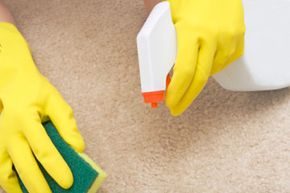
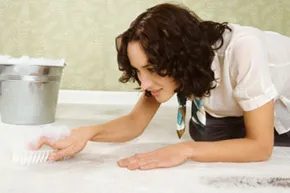
When a spill happens, speed matters. You typically have a one-to-two-day window before a stain sets in permanently. Do not wait. Do not let it dry.
Most manufacturers provide printed guides. They list specific methods for different messes. Many include a toll-free number for when you are stuck. But you can follow general rules if you do not have the manual handy.
- Blot, do not rub. Rubbing pushes the spill deeper into the fiber bundle.
- Use water or a mild soap solution. This is usually all you need for common household spills.
- Avoid bleach-based cleaners. This is the biggest mistake homeowners make. Bleach strips away the protective chemical coating. It leaves the nylon naked and vulnerable. Worse, it can actually intensify certain stains by reacting with the residue.
If you are unsure, test a small, hidden area first. Call the manufacturer. They want you to keep your carpet looking new. Their reputation depends on it.
Is It Always Stain-Resistant?
For nylon, yes. Almost all nylon carpeting comes with these treatments as standard. It is industry practice. If you buy a different material, like wool or silk, you need to check the label. Look for the phrase “stain-resistant.” If it is not labeled, assume it is not. Contact the maker for confirmation. Do not guess.
The Real Perks of Going Synthetic
Why do homeowners keep coming back to nylon? It is not just about the stains. It is about longevity. You can live in a house with young kids, dogs, and muddy boots. Your floor should survive that. Nylon does.
The protective coating also helps with maintenance. Dirt stays on the surface longer. It does not embed itself deep into the backing. Vacuuming becomes easier. Deep cleaning lasts longer between professional visits.
But there is a catch. The coating wears down. Over time, foot traffic grinds away the chemical layer. This is why you might see a spot that suddenly becomes impossible to clean. The protection has thinned.
This is where proper care pays off. Avoid harsh chemicals. Use the right tools. A stiff brush can damage the fibers. A gentle vacuum with a beater bar helps lift dirt without tearing the pile.
Consider the environment. Nylon is synthetic. It is derived from petroleum. But it is
The Hidden Costs of Stain-Resistant Carpeting
Spills are inevitable. Mud tracked in by the dog. Coffee migrating down the side of a mug. Hard surfaces show every drop. Carpets absorb them. That is the trade-off. But modern stain-resistant carpeting offers a shield. It fights back against the inevitable abuse of daily life.
The visual payoff is immediate. Traditional carpets show their age quickly. Stains sink in. They become permanent fixtures. You can’t hide them under a rug. Furniture doesn’t conceal them. The eyesores prompt early replacement. That hurts the wallet.
Stain-resistant options change that math. They look better for longer. This delays the replacement cycle. It is one of the most cost-effective flooring choices available. You do not need to buy expensive wool or silk to get decent performance. Nylon blends offer strong protection at lower price points.
Spend more upfront for high-quality nylon. It lasts longer. The long-term savings often outweigh the initial cost.
You get what you pay for, though. The finest stain-resistant nylon versions can cost more than traditional wool carpets. But if that flooring lasts the course of your lifetime, the extra upfront cost pays off. The durability balances the ledger.
The wick-away properties of these fibers matter. Spills bead up. They sit on the surface. They do not soak in immediately. This makes cleaning easier. There is a health angle here too. Stagnant spills attract bugs. Uninvited critters love damp, dirty carpet. Keeping spills on the surface keeps pests away.
But stain-resistant does not mean care-free. You still have to clean spills. Immediately. Treat it like a tile floor. Good care helps wall-to-wall carpet weather the years. Ignore it, and it fails.
Nothing lasts forever. The protective chemical coating wears out. Read the manufacturer’s instructions. Follow them. Some chemicals accelerate this wear. Bleaching agents are a no-go. Strong cleaners strip the protection. Certain substances cause permanent damage regardless of the coating. Acne medication. Yellow mustard. Keep them far from the floor.
Health risks linger in the fibers. Carpet holds more microorganisms than any other flooring type. The fibers trap allergens. Mold. Bacteria. They ensnare airborne volatile organic compounds (VOCs). These gases come from thousands of sources. Toxic stain-resistant treatments. Pesticides on shoe soles. Cleaning supplies. Some pose short-term risks. Some linger.
Exposure symptoms are common. Headaches. Nausea. Chills. Fever. Burning eyes, nose, or sinuses. If you feel worse when you’re home, check your floors.
The environmental toll is steep. Today’s carpet is a synthetic mix. Petroleum. Chemicals. Ninety-eight percent of synthetic carpeting contains an ingredient that takes over a century to biodegrade. Landfills feel the impact long after we throw it away.
Despite the drawbacks, stain-resistant carpet prevents permanent spots. It buys you time. If you are ready to install it, or need tips for your current floor, look for resources that cover maintenance and disposal.